Emergency Locksmiths Harlow
Locked out in Harlow? Our DBS-checked locksmiths reach you fast, day or night, with no damage to your door.
In this guide
- Common Lockout Situations in Harlow
- What to Do First
- Why Choose a Local Harlow Locksmith
- What Our Service Includes
- UPVC Doors and Why They Behave Differently
- When a Lockout Becomes a Security Concern
- What Affects the Cost of an Emergency Callout
- How to Choose a Trustworthy Emergency Locksmith
- Maintaining Your Locks After a Callout
- A Typical Emergency Visit, Start to Finish
- Questions Worth Asking Before You Book
- Keeping Your Locks in Good Condition Between Call-Outs
Being locked out of your home or business in Harlow is one of the most stressful situations a homeowner can face, especially late at night or during bad weather. This guide covers exactly what to do, what usually causes a lockout, how our local locksmiths get you back inside quickly and safely, and how to tell a genuine emergency locksmith from one that will leave you with a surprise bill.
Common Lockout Situations in Harlow
Lost keys, snapped keys in the lock, broken UPVC mechanisms, and lockouts after a break-in attempt are the most common calls we get from Harlow residents. We also regularly help tenants who have moved into a new rental and are not sure whether the previous occupant still holds a spare key, and landlords managing void properties between tenancies. Each situation needs a slightly different approach, which is why we always ask a few questions over the phone before dispatching a locksmith, so the right tools and parts are brought to the job the first time rather than requiring a second visit.
A less obvious but surprisingly common scenario is a lock that has simply seized up from a lack of use, particularly on side gates, outbuildings, and rarely-used back doors. Locks that are not operated regularly can develop internal corrosion or stiffness that eventually prevents the key from turning at all, which can feel identical to a lockout even though the key itself is perfectly fine. We check for this during our initial assessment, since the fix is often far simpler and cheaper than a full lock replacement.
What to Do First
1. Stay calm and check all entry points, including back doors, side gates, and any windows that may have been left on the latch. It is surprising how often a forgotten open window resolves the situation before a locksmith is even needed. 2. Avoid forcing the lock yourself. Using excessive force on a UPVC door in particular can snap the mechanism internally and turn a simple lockout into an expensive mechanism replacement that could have been avoided entirely. 3. Call a local, DBS-checked locksmith rather than searching for the cheapest option online. Unverified callout services advertising unrealistically low prices are a common source of complaints about hidden charges once the job is already underway and the customer has little choice but to pay. 4. Have some form of ID ready. A legitimate locksmith will usually ask for proof that you live at or own the property before carrying out non-destructive entry, which protects you as much as it protects us, and is a good sign that the person you have called takes their responsibilities seriously. 5. If you are locked out of a business premises, try to establish who else holds keys before calling an emergency locksmith, since a colleague or keyholder arriving with a spare key is often faster and cheaper than any callout.
Why Choose a Local Harlow Locksmith
A locksmith based near Harlow can usually arrive within 20 to 30 minutes, compared to a national call centre that dispatches whoever happens to be available, sometimes from considerably further away. Working locally also means we know the common door and lock types used across Harlow’s mix of older terraced housing and newer housing developments, so we typically arrive with the right range of euro cylinders and tools already in the van rather than needing a second visit.
National call-out brands often operate as a booking layer that then subcontracts the actual job out to whichever locksmith is available nearest to you, which means you may not actually know who is coming to your door until they arrive, and the pricing structure can be harder to pin down in advance. A genuinely local, independent locksmith gives you more consistency, since you are dealing directly with the person doing the work rather than through several layers of booking and dispatch.
What Our Service Includes
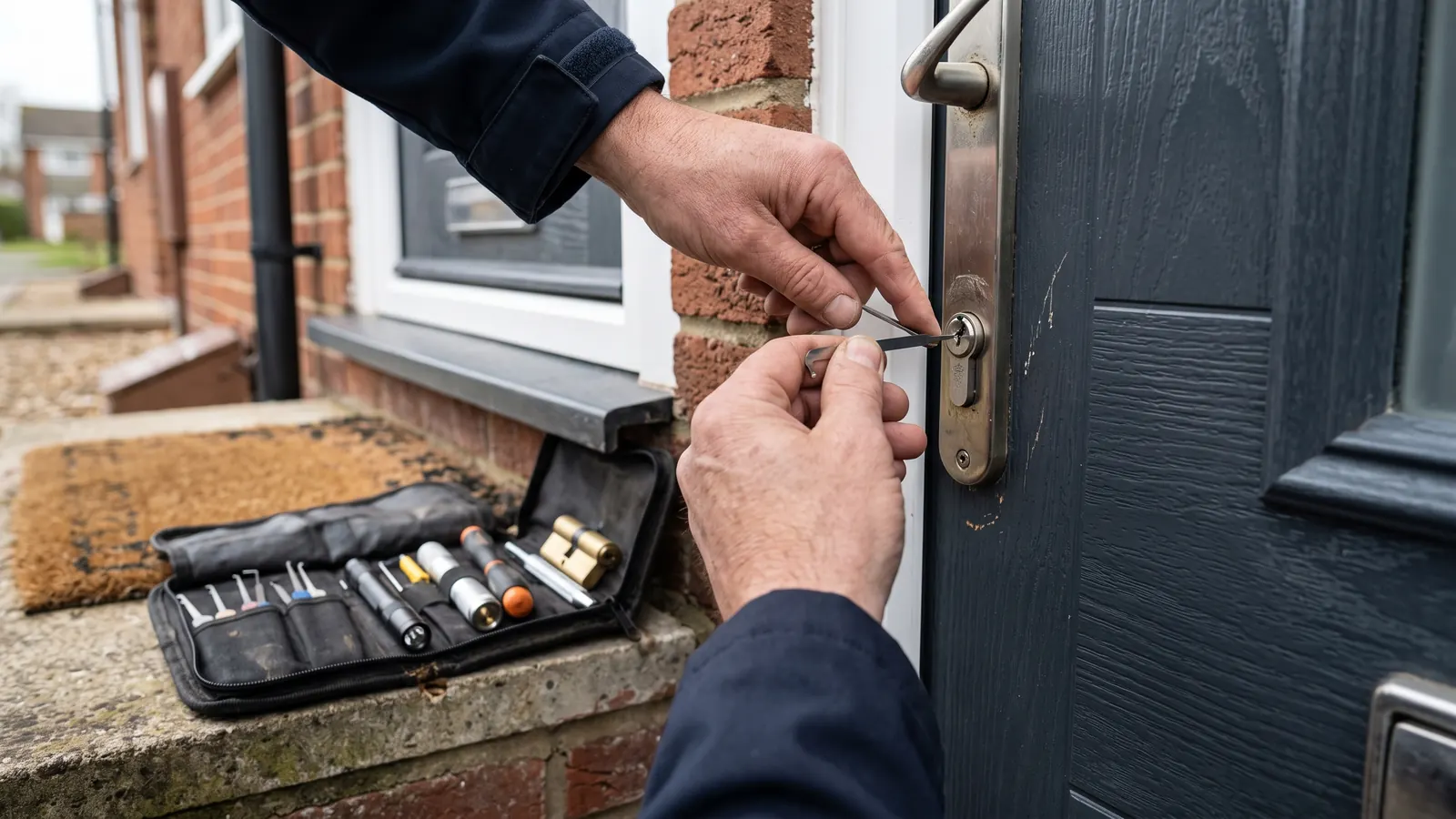
Non-destructive entry wherever possible, meaning we pick or manipulate the lock rather than drilling it out, which avoids the cost of a full lock replacement in most cases. We always confirm upfront pricing before any work starts, so there are no surprises on the invoice. Every job also comes with a guarantee on both labour and parts, typically covering several months, so if anything is not right after we leave, we come back and fix it at no extra charge.
Beyond the immediate lockout, we are happy to offer honest, no-pressure advice about your existing locks while we are already on site. This is not an attempt to upsell unnecessary work. If your locks are in good condition, we will tell you so plainly. If we notice something genuinely worth flagging, such as a lock that does not meet current British Standard requirements, we will explain why it matters and let you decide whether to act on it.
UPVC Doors and Why They Behave Differently
A large proportion of our Harlow callouts involve UPVC doors, which use a multi-point locking mechanism rather than a single deadbolt. These mechanisms can misalign over time as the door frame settles, which sometimes makes the door feel locked when it is not properly engaged, or vice versa. If your UPVC door has started needing a firm lift on the handle before it will lock, this is often an early warning sign worth getting checked before it fails completely and leaves you locked out.
Multi-point mechanisms typically engage at three or more points along the door edge simultaneously, which is part of why they offer better security than a single-point lock when working correctly, but it also means there are more components that can wear out or fall out of alignment. Understanding this helps explain why a UPVC lockout sometimes needs a locksmith familiar with these specific mechanisms rather than someone who only works with traditional cylinder locks.
When a Lockout Becomes a Security Concern
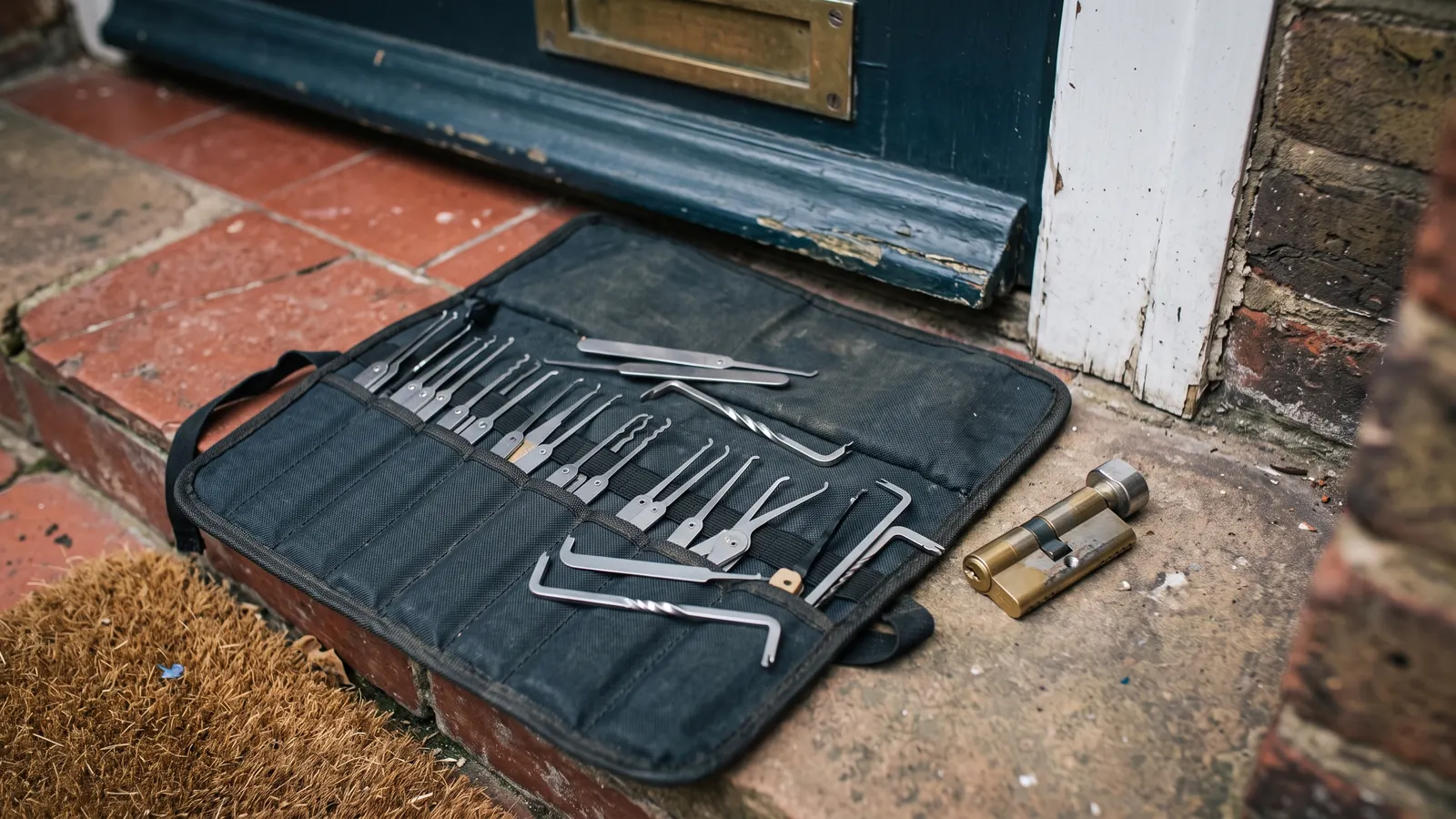
Occasionally what looks like a simple lockout turns out to be evidence of an attempted break-in, such as scratch marks around the cylinder or a visibly damaged frame. If this applies to your situation, mention it when you call, as we may recommend a security upgrade alongside resolving the immediate lockout, particularly if the existing lock does not meet British Standard BS3621, which is the benchmark most UK insurers and the Master Locksmiths Association recognise for domestic door security.
If you believe your property has been targeted, it is also worth reporting the incident to the police, even if nothing was taken, since patterns of attempted entry in a local area are useful information for them and can sometimes lead to warnings being issued to other households nearby.
What Affects the Cost of an Emergency Callout
Pricing for an emergency locksmith callout typically depends on a handful of factors: the time of day or night, whether the job can be resolved non-destructively or requires drilling and a replacement lock, and how straightforward the lock type is to work with. A standard daytime callout for a simple cylinder lock will usually cost less than an overnight callout involving a damaged UPVC mechanism that needs parts replacing on site.
We always explain the likely cost range when you call, before a locksmith is dispatched, and confirm the final price once the lock has been properly assessed in person. This two-step approach means you are never committing to an unknown cost over the phone, and you can decide whether to proceed once you know exactly what is involved.
How to Choose a Trustworthy Emergency Locksmith
With so many locksmiths advertising online, particularly for emergency search terms where people are often in a stressed, time-pressured state, it is worth knowing a few signs of a reputable service before you need one. Ask whether the locksmith is DBS checked, which confirms a background check has been carried out. Ask for pricing to be confirmed before any work begins, and be wary of anyone unwilling to give even an estimated range over the phone. Check whether the locksmith offers any guarantee on their work, since reputable tradespeople stand behind what they fit. Finally, a locksmith with a genuine local presence and real local reviews is generally a safer choice than an unfamiliar national number with no clear base of operations.
Maintaining Your Locks After a Callout
Once your immediate lockout has been resolved, a small amount of regular maintenance goes a long way toward preventing a repeat situation. Lubricating cylinder locks with a light graphite or silicone-based product, rather than household oil, helps keep the mechanism moving smoothly. For UPVC doors, periodically checking that the door closes without needing to be lifted or forced is a simple way to catch mechanism wear before it causes a full lockout. If a key has started feeling stiff or requires extra effort to turn, it is worth having the lock checked before the key eventually snaps, which is one of the most common causes of emergency callouts we see.
A Typical Emergency Visit, Start to Finish
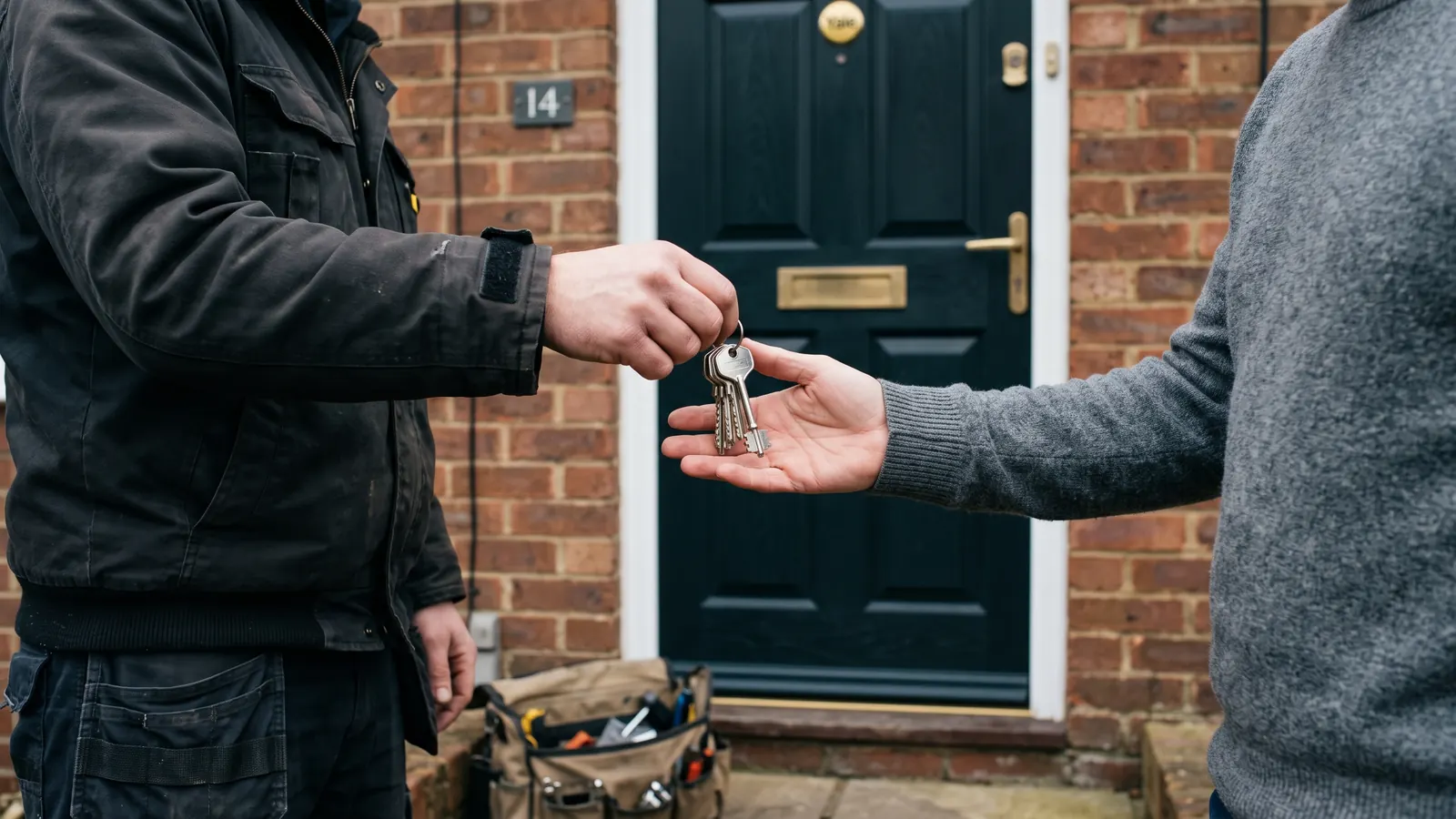
Most customers who have never used an emergency locksmith before are unsure what actually happens once they make the call, so it helps to walk through it plainly. When you call, we ask a handful of quick questions: your address, whether you can see the key in the lock or if it is lost entirely, what type of door it is, and whether there is any sign of damage already. This takes under a minute and lets us bring the right tools the first time. We then give you a realistic arrival window rather than a vague “soon,” and we call ahead if that window is going to change for any reason, such as unexpected traffic on the A414 or M11.
On arrival, the locksmith introduces themselves, confirms your name and address matches what was given on the phone, and has a quick look at the lock before touching anything. This initial assessment is where we decide whether non-destructive entry is realistic or whether the lock’s condition means a different approach is needed. We explain this to you before starting, along with an actual price, not a vague range. Once you agree, the work begins, and for a standard lockout this is usually finished within 15 to 30 minutes. Afterward we test the lock several times with you watching, to make sure it is genuinely secure and not just superficially working.
Questions Worth Asking Before You Book
A few questions tend to separate a well-run emergency callout from a frustrating one, and we would encourage you to ask any locksmith these before committing, including us. Is the quote firm once the lock has been seen, or can it change afterward for unexplained reasons? Does the technician carry ID, and are they happy to show it unprompted? Is there a guarantee on the work, and what exactly does it cover? Will you be told honestly if non-destructive entry is not possible before any drilling starts, or only after the fact? None of these are unreasonable questions, and a locksmith confident in their own standards should answer all of them without hesitation.
Keeping Your Locks in Good Condition Between Call-Outs
A short amount of routine attention goes a long way toward making sure the next time you need a locksmith is a planned visit rather than an emergency one. Twice a year, lightly lubricate cylinder locks with a graphite or silicone-based spray rather than general purpose oil, which can gum up over time and actually make turning harder. Check that external doors close fully without needing to be lifted, slammed, or held at an angle, since any of those are early signs of hinge or frame movement rather than the lock itself failing. If you have a uPVC door, operate the handle fully up and down occasionally even if you do not use that function often, since multi-point mechanisms that sit unused in one position for long periods are more prone to seizing when you do eventually need them.
Frequently asked questions
Usually within 20 to 30 minutes depending on traffic and your exact location within the area.
We confirm all pricing before starting any work, so you always know the cost before we begin.
Not usually. Non-destructive entry is our default approach, and drilling is only used as a last resort when picking is not possible.
Yes, though we may ask for a brief call with the landlord or letting agent to confirm authorisation, particularly for commercial or multi-occupancy properties.
This is a common job for us. We carry specialist extraction tools designed to remove the broken piece without damaging the surrounding mechanism wherever possible.
Yes, all work comes with a guarantee covering both the parts fitted and the labour involved, typically for several months.
It depends on what caused the lockout. If the lock itself was at fault, an upgrade is often worth discussing, and we will explain the options honestly rather than pushing a sale.
We cover Harlow and the surrounding towns, with response times varying slightly depending on your exact location.
We will usually still help in a genuine emergency, but we may take extra steps such as a phone call to a landlord or family member before carrying out non-destructive entry, purely as a safeguard for you.
In most cases we would recommend treating that as a separate, planned visit rather than rushing the decision during a stressful lockout, but we are happy to discuss it once the immediate issue is resolved.
We keep pricing consistent and transparent for everyone rather than running a separate discount scheme, which we think is fairer in the long run.
A mix of lost keys after a busy day and UPVC mechanisms that have quietly been failing for weeks before finally giving out, both of which are largely avoidable with the small maintenance habits mentioned above.
Yes, we cover Harlow and the surrounding villages, with response times varying slightly depending on distance from the town centre.
Yes, new build locks are usually in good initial condition, but we are happy to confirm they meet current standards during any visit.
Continuing to use a visibly stiff or failing lock for weeks or months before calling anyone, rather than having it checked at the first sign of trouble.
Keep reading

Copyright © 2026 123Unlock, Design & Develop by Brand Builders.