UPVC Door Locking Mechanism Problems
Struggling with a stiff or broken UPVC door lock? Learn the common causes, what it costs to fix, and when to call a locksmith.
In this guide
- Common Causes
- Warning Signs
- Repair vs Replacement
- How a Typical Repair Visit Works
- Choosing a Replacement Mechanism
- Understanding Multi-Point Locking
- Common Mistakes Homeowners Make
- Preventing Future Problems
- When to Call a Professional vs Attempt a Fix
- Diagnosing the Problem Before Ordering Parts
- How Weather and Seasons Affect uPVC Mechanisms
- What a Professional Gearbox Replacement Involves
- Examples of How uPVC Mechanism Faults Typically Present
- Insurance Considerations Specific to uPVC Mechanism Faults
UPVC doors are common across the UK, but their multi-point locking mechanisms can wear out or misalign over time in ways that are not always obvious until the door fails to lock altogether. This guide explains what usually goes wrong, the warning signs worth acting on early, when a repair is enough versus when the whole mechanism needs replacing, and how to get the most life out of your door’s locking system.
Common Causes
Door sag from worn hinges, a misaligned keep on the frame, or a worn gearbox inside the mechanism itself are the three most frequent causes we see on call-outs. Door sag happens gradually as the hinges carry the weight of the door over years of use, and even a few millimetres of movement is enough to throw the locking points out of alignment with their keeps. A misaligned keep is often the simplest fix, sometimes resolved with nothing more than an adjustment, while a worn gearbox usually means the mechanism itself needs replacing.
Temperature changes can also play a role, since UPVC expands and contracts slightly with heat, which is why some homeowners notice their door is harder to lock on particularly hot or cold days. This is usually a sign that the mechanism is already close to the edge of its adjustment tolerance, and a professional alignment check can often resolve the seasonal stiffness before it becomes a year-round problem.
Warning Signs
The key becomes hard to turn, the door needs lifting to lock, or the handle feels loose or spongy when operating the lock. Some homeowners also notice a grinding or clicking sound from inside the door when the handle is lifted, which usually points to a gearbox starting to fail. None of these signs mean the door is about to fail completely, but each one is worth having checked before it does, ideally before you are relying on the lock during an emergency.
A less commonly recognised warning sign is a door that locks fine from outside but feels different or requires a different amount of force from inside, which can indicate the mechanism is wearing unevenly. Catching this asymmetry early often means a straightforward adjustment rather than a full mechanism replacement later on.
Repair vs Replacement
Most mechanism faults are repairable without replacing the whole door, since the locking mechanism is a separate component that can be swapped out on its own in the vast majority of cases. We assess the mechanism on site, confirm whether repair or replacement is the right call, and quote before starting any work. Full door replacement is rarely necessary purely because of a lock fault, so be cautious of anyone recommending it as the first option without a proper assessment.
As a general rule, if the fault is isolated to alignment or a single component, a repair is usually the more economical and faster option. If the gearbox itself has failed, or if the mechanism is an older or discontinued type with no readily available replacement parts, a full mechanism swap to a modern equivalent is often the more sensible long-term choice, even though it costs more upfront than a simple repair.
How a Typical Repair Visit Works
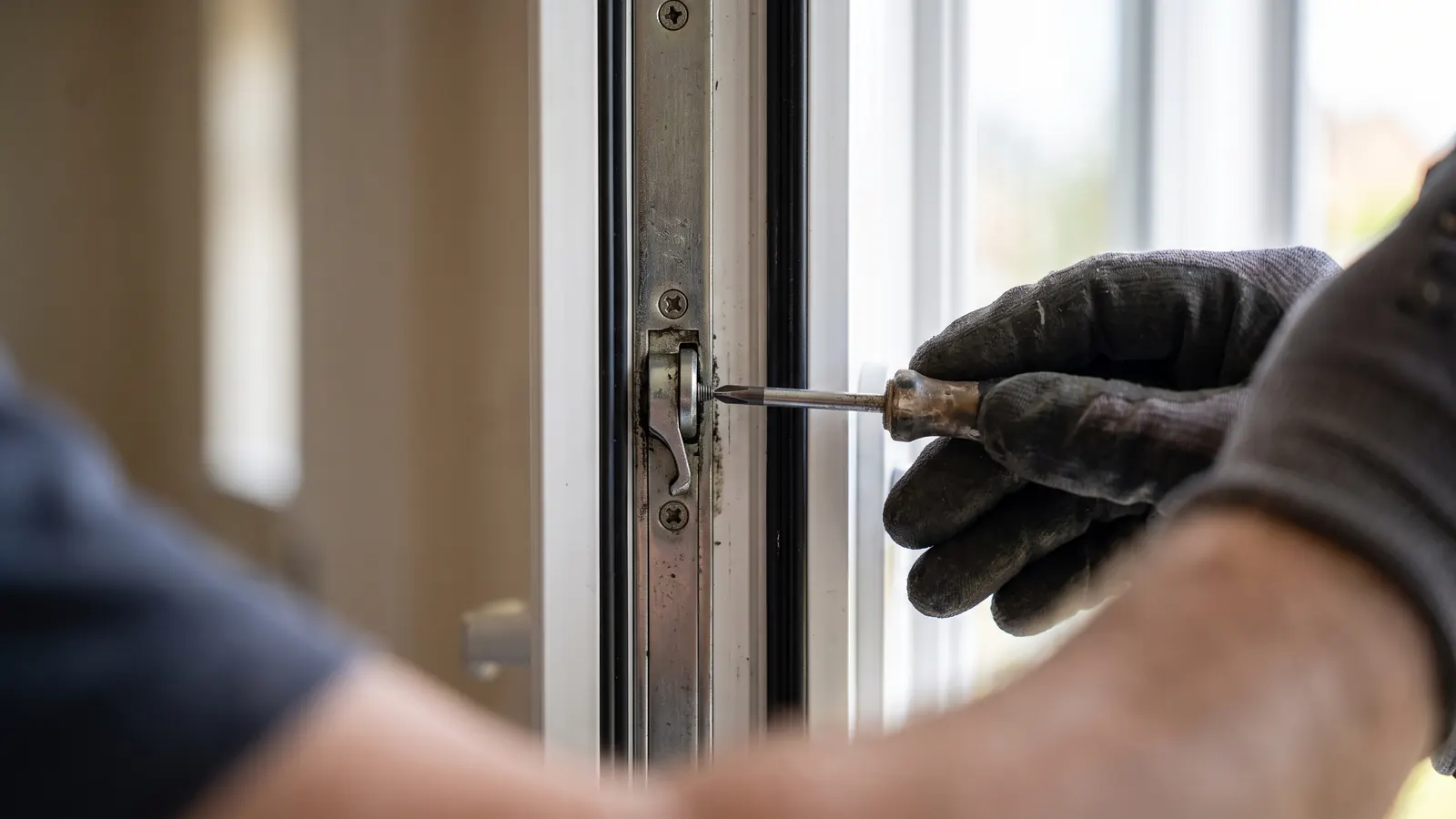
We start by testing the door through a full lock and unlock cycle to identify exactly where the resistance or failure point is. From there we usually remove the handle and inspect the gearbox directly, which tells us whether lubrication and adjustment will solve the problem or whether a replacement mechanism is needed. Most repairs are completed within an hour, and we carry a range of common mechanism sizes in the van to avoid a second visit wherever possible.
Where a replacement part is needed that we do not have in stock, we will explain the likely wait time clearly rather than leaving you guessing, and we can usually source standard mechanism sizes within a day or two.
Choosing a Replacement Mechanism
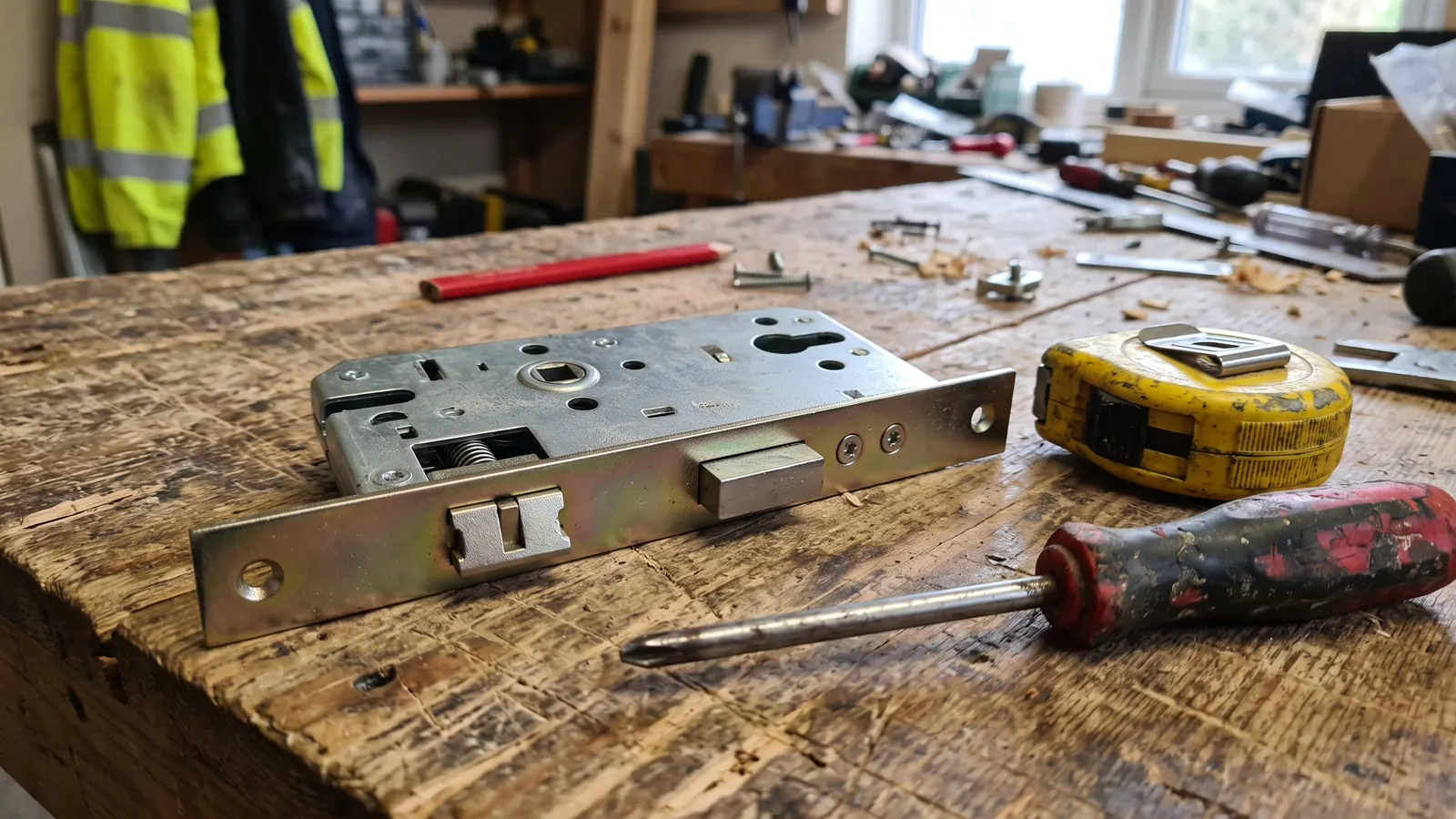
Not all UPVC mechanisms are interchangeable, since backset measurements, door thickness, and the number of locking points can all vary between manufacturers and even between different ages of the same door range. We measure carefully before ordering parts, and where an exact match is not available, we will talk you through the closest suitable alternative rather than fitting something that will cause problems down the line.
It is worth knowing that most modern replacement mechanisms are built to broadly standardised measurements, which means even an older or less common door can usually be matched to a suitable current-production mechanism, avoiding the need to special-order obsolete parts in most cases.
Understanding Multi-Point Locking
A multi-point mechanism engages several locking points along the door edge at once, typically including hook bolts near the top and bottom alongside a central deadbolt. This design distributes the locking force across multiple points on the frame rather than relying on a single point, which is part of why these systems offer stronger security when working correctly. The trade-off is mechanical complexity: more moving parts means more potential points of wear, which is why periodic checking matters more for UPVC doors than for a simple single-point traditional lock.
Common Mistakes Homeowners Make
One of the most common mistakes is continuing to force a stiff lock rather than having it checked, which often accelerates the underlying wear and turns a simple adjustment into a full mechanism replacement. Another is using the wrong type of lubricant, particularly household oils, which can attract dust and grit and make the mechanism gummier over time rather than smoother. A third mistake is assuming a UPVC door needs no maintenance at all simply because it does not need painting or treating the way a timber door does. The mechanism inside is a mechanical component like any other and benefits from the same basic care.
Preventing Future Problems
Lubricating the mechanism roughly twice a year with a light silicone-based spray, rather than oil, and checking hinge alignment helps avoid most common failures before they start. It is also worth keeping an eye on how the door closes day to day. If you notice it starting to need a firm push or a lift that was not needed before, that is usually the earliest and cheapest point to intervene.
When to Call a Professional vs Attempt a Fix
Basic lubrication is a reasonable task for most homeowners to carry out themselves, provided the correct product is used. However, any adjustment involving the keeps, hinges, or internal gearbox is best left to a professional, since incorrect adjustment can sometimes make the problem worse or cause the door to stop locking altogether. If you are ever unsure, it is worth a quick phone call to talk through the symptoms before attempting a DIY fix.
Diagnosing the Problem Before Ordering Parts
One of the most useful things we can do on an initial visit is properly diagnose which part of the mechanism has actually failed, rather than replacing the whole unit by default, which is both more expensive and often unnecessary. We test the door through a full cycle, listening and feeling for where resistance occurs. A fault that shows up only at the very end of the locking motion often points to the hook bolts or keeps, while resistance that starts as soon as the handle is lifted usually points to the gearbox itself. A door that locks fine but the handle feels loose or spongy afterward can indicate worn internal gearbox components even though the door is technically still securing the property, which is worth catching early since a gearbox that fails completely while the door is locked can leave you unable to open it from either side.
How Weather and Seasons Affect uPVC Mechanisms
UK weather genuinely does affect how these mechanisms behave over the course of a year, which is useful context for understanding why a door that worked fine in spring can start sticking by autumn. uPVC and the metal components within the mechanism both expand slightly in warm weather and contract in cold, and a mechanism that is already close to the edge of its adjustment tolerance can tip into noticeably stiff operation with a seasonal change of only a few degrees. Damp autumn and winter conditions can also cause minor swelling in the door frame itself, particularly on older installations, which changes how precisely the locking points align with their keeps. None of this means the mechanism is faulty, but it does mean a door that was borderline before a seasonal change is more likely to fail exactly when the weather turns, which is part of why we see a genuine seasonal pattern in call-outs for this specific problem.
What a Professional Gearbox Replacement Involves
Where the gearbox itself needs replacing rather than just adjusting, the job involves removing the door handle and faceplate, sliding out the old gearbox along the edge of the door, and fitting a new one matched to the correct backset and door thickness measurements. This is a precision job, since a gearbox that is even slightly mismatched to the door’s measurements will not engage the locking points correctly, potentially leaving the door feeling locked when the actual engagement is only partial. We always remeasure on site rather than relying on the customer’s own measurements alone, since even a few millimetres of error changes which replacement part is correct. Once fitted, we test through a minimum of five full lock and unlock cycles before considering the job complete, checking for smooth, consistent operation rather than just a single successful test.
Examples of How uPVC Mechanism Faults Typically Present
It helps to recognise a few common patterns rather than only a textbook description of the mechanism. One frequent presentation is a door that locks fine at the top and bottom but the handle feels like it is fighting you partway through the motion, which usually points to a single sticking point rather than full mechanism failure. Another is a door that appears to lock, in that the handle lifts and the key turns, but on closer inspection the hook bolts have not actually engaged the keeps, meaning the door is not properly secured despite feeling locked, a genuinely dangerous false sense of security worth being aware of. A third pattern is a key that turns with increasing resistance over a period of weeks before eventually refusing to turn at all, which is the gearbox gradually failing rather than suddenly breaking, and is the clearest sign that early intervention would have been far cheaper than waiting for complete failure.
Insurance Considerations Specific to uPVC Mechanism Faults
If your door’s lock fails in a way that leaves the property less secure than it should be, and this coincides with any kind of incident, your insurer may ask questions about the state of the lock at the time. Keeping basic documentation, such as noting when a repair was carried out and by whom, is a sensible habit, and we are happy to provide simple written confirmation of any work completed for exactly this reason. It is also worth checking your specific policy wording on required lock standards, since some insurers are more specific than others about multi-point locking mechanisms on uPVC doors.
Frequently asked questions
The job itself usually takes under an hour once the correct part is confirmed, though we always quote based on your specific door.
Yes, a light silicone spray twice a year is a sensible bit of maintenance, but avoid household oils which can attract dirt and make the problem worse over time.
Sometimes, depending on the age of the door and the original installer. We are happy to advise whether it is worth checking before booking a paid repair.
Temperature-related expansion and contraction can affect alignment, particularly if the mechanism is already close to the edge of its adjustment range.
Some insurers specify minimum lock standards, so a failing mechanism that no longer meets British Standard requirements could theoretically be relevant. It is worth checking your policy if in doubt.
With reasonable care and occasional lubrication, several years of reliable use is typical, though this varies with frequency of use and conditions.
It is uncommon but not impossible, particularly if a mechanism was already significantly worn without anyone noticing the subtler early signs, which is part of why we recommend an occasional check even on doors that seem to be working fine.
In some cases a supplementary temporary measure can be fitted, though this should always be treated as short term rather than a long term solution.
Generally manufacturing quality has improved over time, but correct installation and ongoing light maintenance matter as much as the age of the mechanism itself.
No, mechanism compatibility depends on the door's physical measurements and construction, not its colour or surface finish.
Both genuinely matter equally for security, even though a back door fault is sometimes noticed later simply because it is used less often day to day.
Yes, expansion in hot weather can affect alignment in a similar way to contraction in cold weather, particularly on a mechanism already close to its adjustment limit.
Yes, this is a normal part of ownership over many years, especially as a property settles slightly, rather than a sign of a faulty door.
No, each door's mechanism operates independently, though it is still worth addressing any fault promptly regardless of which door it affects.
Backset measurements vary between manufacturers and sometimes between different product ranges from the same manufacturer, which is why precise on-site measurement matters.
Usually yes, and it is worth having checked even if the door still appears to lock and unlock normally for now.
Keep reading

Copyright © 2026 123Unlock, Design & Develop by Brand Builders.