Van Deadlock Installation
Stop van break-ins with a professionally fitted deadlock. Trade-grade security, fitted fast by DBS-checked locksmiths.
In this guide
- Why Standard Van Locks Are Not Enough
- What Fitting Involves
- Insurance Benefits
- Who This Is For
- Choosing the Right Deadlock for Your Van
- Additional Van Security Worth Considering
- Understanding How Thieves Target Vans
- What to Do If Your Van Has Already Been Broken Into
- Maintaining a Fitted Deadlock
- Understanding Why Vans Specifically Are Targeted
- What We Check Before Recommending a Specific Deadlock
- Caring for Your Van's Security Long Term
- Typical Tradespeople We Fit Deadlocks For
- What Happens If a Deadlock Is Attempted Against and Fails to Give Way
- How We Approach Fitting Across Different Van Manufacturers
- A Wider View on Commercial Vehicle Crime Trends
- Talking to Your Insurer About a Deadlock
- Why We Think of This as Protecting a Livelihood, Not Just a Vehicle
- Addressing a Common Hesitation Honestly
Van break-ins targeting tools are common across London and Essex, and a professionally fitted deadlock is one of the most effective and cost-efficient deterrents available to tradespeople. This guide explains why standard van locks are often not enough, what the fitting process involves, the insurance benefits worth checking once the work is done, and how to think about van security as a whole rather than relying on a single upgrade.
Why Standard Van Locks Are Not Enough
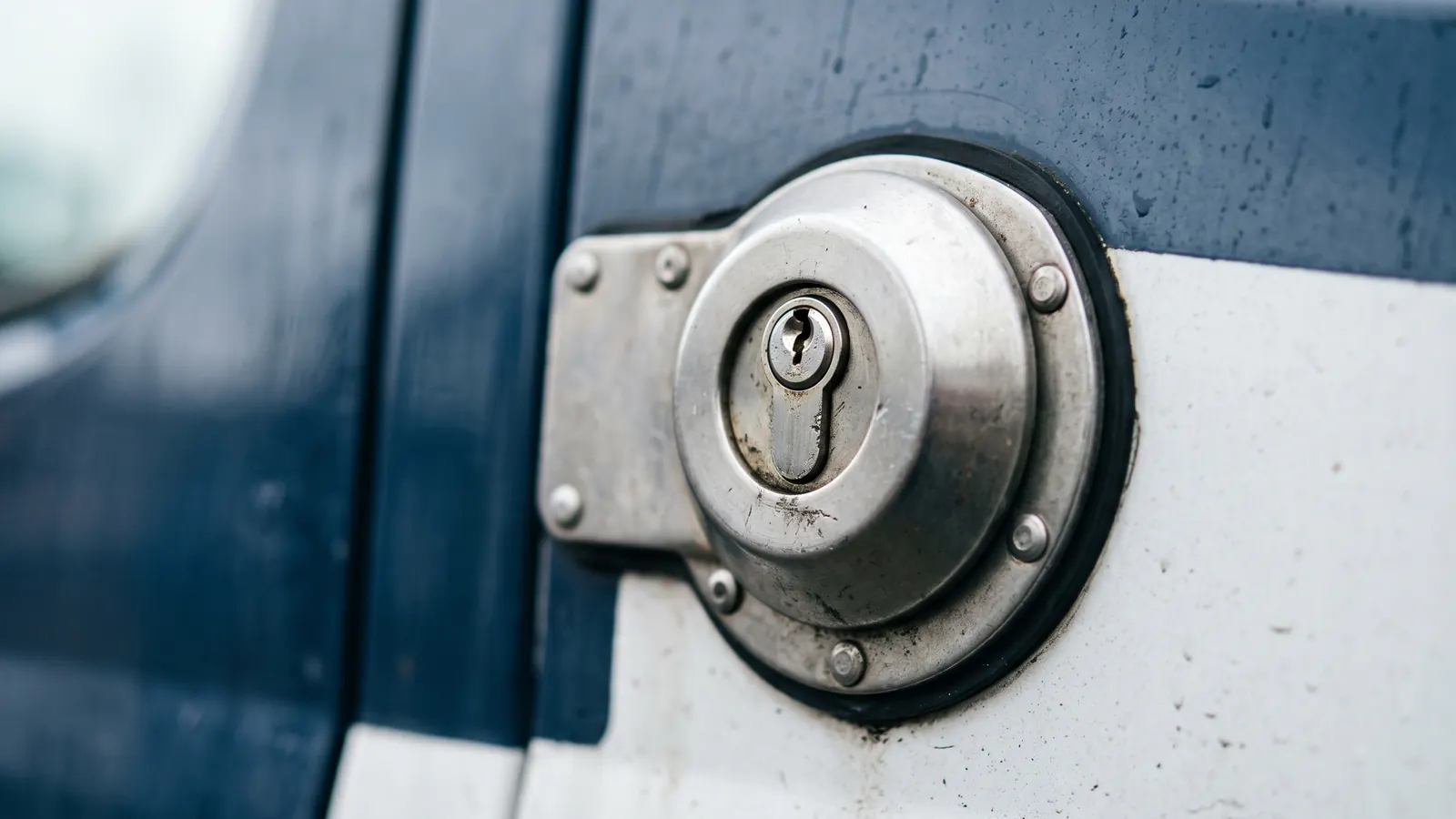
Factory-fitted van locks can often be forced in under a minute using basic tools, which is part of why van break-ins remain such a persistent problem for tradespeople across the region. A deadlock adds a second, entirely independent locking point that cannot be bypassed by defeating the factory lock alone, meaning a would-be thief has to overcome two separate security systems rather than one.
What Fitting Involves
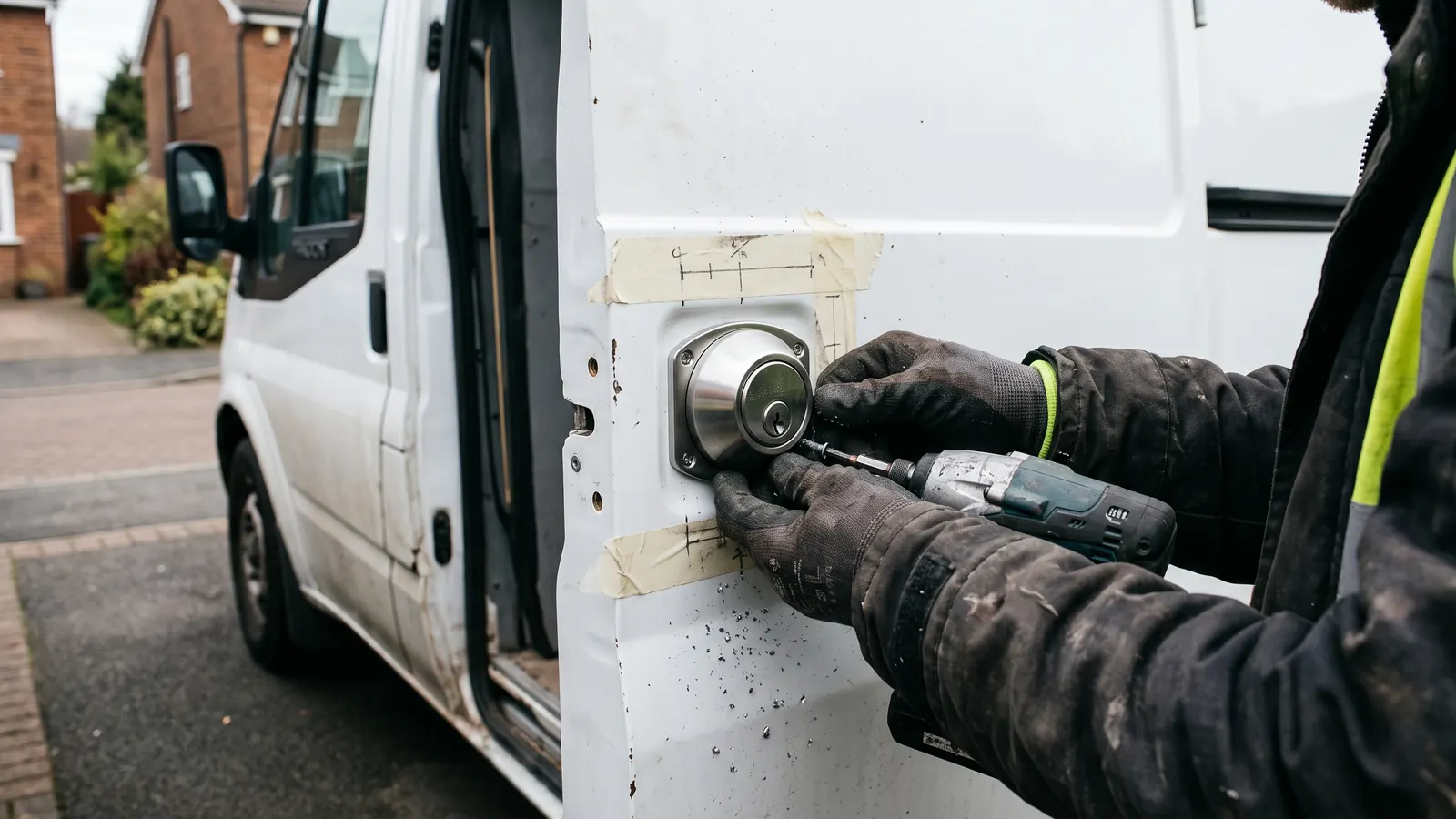
We assess your specific van model and fit a deadlock suited to the door type and panel thickness, with the whole job usually completed within an hour. Different van models and door configurations need slightly different mounting approaches, and we carry a range of deadlock options to match rather than fitting a generic solution that may not suit your particular vehicle.
Insurance Benefits
Some insurers offer reduced premiums for vans fitted with certified deadlocks, since the presence of a recognised secondary locking system measurably reduces the likelihood of a successful break-in. It is worth checking directly with your provider once the deadlock is fitted, as the saving can offset a meaningful portion of the installation cost over time.
Who This Is For
Tradespeople who carry tools or stock overnight benefit most from this upgrade, particularly where the replacement cost of stolen tools would significantly disrupt work. Electricians, plumbers, builders, and anyone running a mobile trade business with specialist equipment in the van are among our most common customers for this service.
Choosing the Right Deadlock for Your Van
Not all deadlocks suit every van door type, and getting this wrong can mean a lock that looks secure but is actually easier to defeat than expected. We consider the door’s construction, the existing lock position, and how the van is typically parked and used before recommending a specific deadlock, rather than offering a one-size-fits-all solution.
Additional Van Security Worth Considering
A deadlock is the single most effective upgrade for most tradespeople, but a few complementary measures are worth knowing about. Parking in well-lit, visible areas reduces opportunistic attempts, and marking tools with a visible identifier makes stolen equipment harder to resell, which can itself act as a deterrent. We are happy to talk through a fuller van security plan if you are dealing with repeat break-in attempts rather than a one-off incident.
Understanding How Thieves Target Vans
Van theft targeting tools tends to be opportunistic rather than planned against a specific vehicle, which means visible deterrents matter almost as much as the strength of the lock itself. A van that looks like a harder target, through visible additional locking hardware, good parking choices, and general tidiness suggesting an organised owner, is statistically less likely to be targeted than one showing obvious signs of valuable contents or an easily defeated lock.
What to Do If Your Van Has Already Been Broken Into
If your van has already been targeted, it is worth reporting the incident to the police and your insurer promptly, documenting any damage with photographs before repairs begin. This is also a good moment to review your overall van security rather than simply repairing the immediate damage, since a van that has been broken into once is statistically more likely to be targeted again if the underlying vulnerability is not addressed.
Maintaining a Fitted Deadlock
A deadlock is a low-maintenance addition, but a light lubrication every few months helps keep it operating smoothly, particularly for vans used daily in all weather conditions. If you ever notice the deadlock becoming stiff or difficult to operate, it is worth having it checked rather than forcing it, since the mechanism is designed to resist force by nature, which includes resisting your own if something internal has started to wear.
Understanding Why Vans Specifically Are Targeted
Vans are disproportionately targeted compared to cars for a straightforward reason: the potential contents are often worth considerably more than the vehicle itself, and factory door locks on most commercial vans were never designed with this specific risk in mind. A thief does not need to steal the van itself to make the trip worthwhile, only to get the doors open long enough to remove tools, which is why a secondary, independent locking system changes the economics of the attempt considerably. Fitting a deadlock does not just add a second lock, it specifically targets the weak point that makes vans an easier target than other vehicle types in the first place.
What We Check Before Recommending a Specific Deadlock
Not every deadlock suits every van, and getting this wrong can actually create a false sense of security. We check the door’s internal construction, the position of the factory lock, the thickness and material of the door panel, and how the van is typically used day to day, since a van parked on a driveway overnight has different priorities to one parked on-street in a busy area during a working day. Based on this we recommend a deadlock genuinely suited to the vehicle rather than a generic option that happens to physically fit.
Caring for Your Van's Security Long Term
A fitted deadlock is low maintenance but not entirely maintenance-free. We would suggest an occasional visual check that the mechanism still operates smoothly, particularly heading into winter when van locks generally see more strain from cold and wet conditions. If you ever notice the deadlock becoming stiff, resist the urge to force it, since by design it is built to resist force, including your own if something has started to wear internally, and a quick check is far cheaper than a replacement caused by continued forcing. Beyond the lock itself, simple habits make a genuine difference too: varying where you park when possible, removing visible high-value tools overnight rather than leaving them in sight through the window, and keeping the van generally tidy, since a cluttered, obviously tool-filled van is a more attractive target than one that looks ordinary from outside.
Typical Tradespeople We Fit Deadlocks For
Electricians, plumbers, builders, and other mobile tradespeople who carry a van’s worth of specialist tools and equipment overnight are our most common customers for this service, simply because the replacement cost of stolen tools, along with the lost working days while waiting for replacements, far outweighs the cost of a professionally fitted deadlock. We also fit deadlocks for delivery and courier operators whose vans sometimes carry customer parcels overnight, where the responsibility for securing those contents sits with the driver or operator.
What Happens If a Deadlock Is Attempted Against and Fails to Give Way
Part of the value of a deadlock is what happens when it successfully resists an attempt, not just the deterrent effect beforehand. A properly fitted deadlock that resists a forced attempt often means the attempt is abandoned part way through, since the time and noise involved in continuing to try increases the thief’s own risk of being noticed. This is different to a factory lock being defeated quickly and quietly, which is part of why a visible, robust deadlock changes the calculation for an opportunistic attempt even before anything is actually taken.
How We Approach Fitting Across Different Van Manufacturers
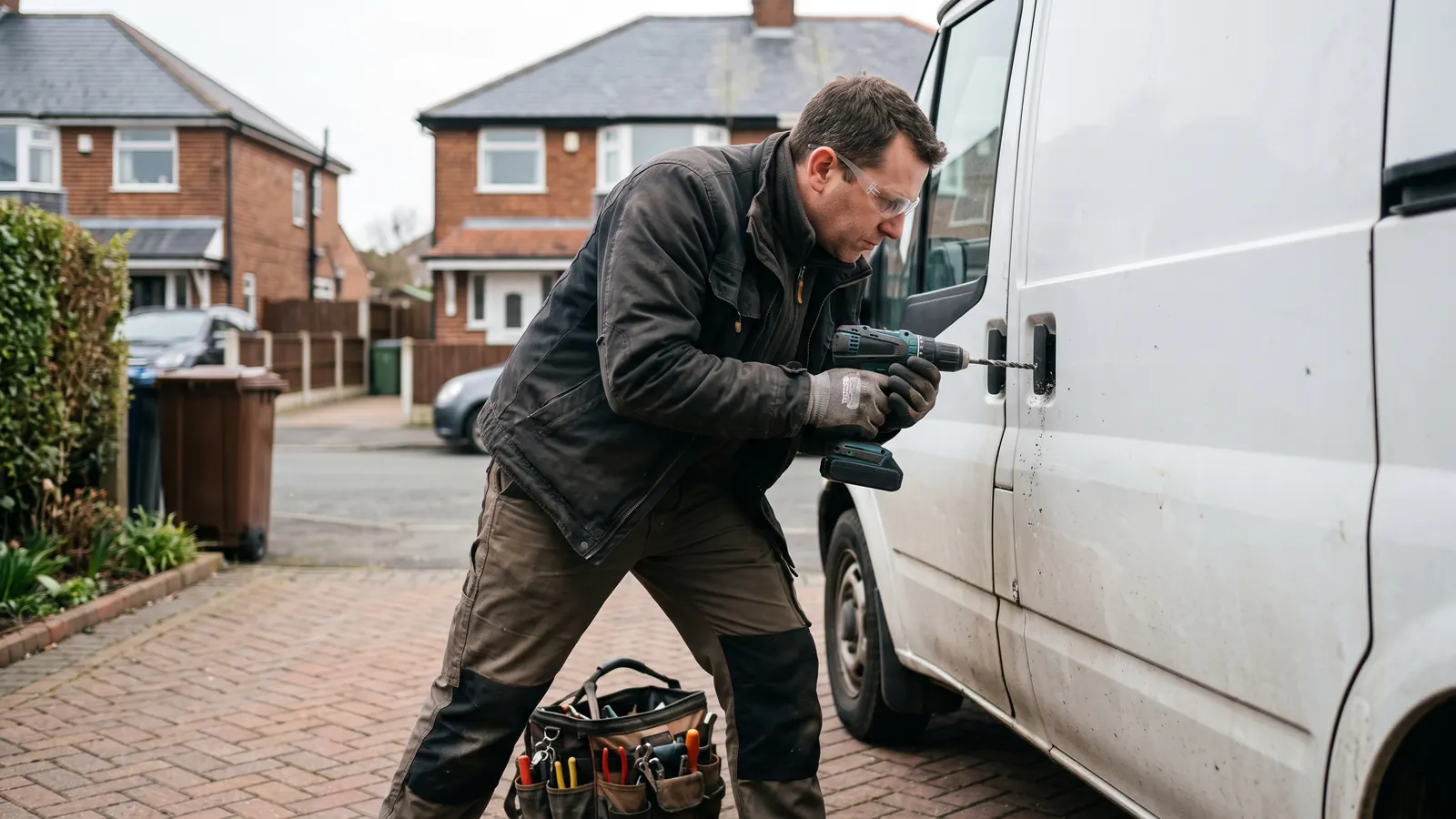
Van door construction varies meaningfully between manufacturers and models, which affects where and how a deadlock can be fitted for maximum effectiveness. We assess the specific door panel thickness, the internal structure, and the position of the factory lock before recommending a deadlock and fitting position, rather than using a single generic approach across every van we see. This individual assessment is part of why we would always recommend a professional fitting over a generic DIY kit, since an incorrectly positioned deadlock can be weaker than no deadlock at all if it is not properly supported by the surrounding door structure.
A Wider View on Commercial Vehicle Crime Trends
Van-related tool theft has remained a consistent, well-documented problem across the UK for tradespeople, and insurers have increasingly taken notice, with some now factoring visible security measures into commercial vehicle premiums. This broader context is part of why a deadlock has shifted from being seen as optional to something many tradespeople now treat as a standard, sensible precaution rather than an extra.
Talking to Your Insurer About a Deadlock
Once fitted, it is always worth a direct conversation with your van insurer, since the discount or terms offered for a recognised deadlock vary meaningfully between providers. We can supply simple written confirmation of the make and fitting of the deadlock if your insurer requests evidence to apply any adjustment to your policy.
Why We Think of This as Protecting a Livelihood, Not Just a Vehicle
For most of our tradesperson customers, the tools inside the van are not just valuable, they are how that person earns a living day to day. A theft does not just cost the replacement value of the tools, it costs every job that cannot be completed while waiting for replacements to arrive, which can mean lost income stretching well beyond the insurance payout, if a claim is even possible. We think about a deadlock fitting in these terms, as protecting someone’s ability to work, not simply as a vehicle accessory, which is part of why we take the assessment and fitting seriously rather than treating it as a routine, interchangeable job.
Addressing a Common Hesitation Honestly
Some tradespeople hesitate over a deadlock fitting simply because it feels like an added expense on top of everything else running a business costs. We understand that reaction, but would gently push back on it: the cost of a single tool theft, in replacement value and lost working days combined, very often exceeds the cost of fitting a deadlock several times over. Framed as an insurance-style decision rather than a discretionary extra, it tends to make more sense the more you actually rely on the tools inside your van for daily income.
Frequently asked questions
In most cases no, though we recommend checking your specific manufacturer warranty terms if the van is still under cover.
We cover a wide range of popular van models, and will confirm compatibility with your specific vehicle before the visit.
A well-fitted deadlock from a reputable manufacturer is built for years of daily use, though we recommend an occasional check to confirm it is still operating smoothly.
If anything, a documented security upgrade is generally viewed positively by buyers of used commercial vehicles, particularly tradespeople who understand the value of tool security.
Yes, infrequently used vans are sometimes targeted precisely because thieves assume they will not be noticed missing for longer.
We would recommend professional fitting, since incorrect installation can weaken rather than strengthen the door's overall security.
In many cases yes, though we would confirm suitability for larger or unusual vehicle types during the initial assessment.
Yes, a deadlock is a purely mechanical addition and does not interfere with electronic security systems already fitted.
A deadlock is usually visible on close inspection, which is actually part of its value, since a visibly well-secured van is a less attractive target even before any attempt is made.
It varies by insurer and is never guaranteed, which is why we would always suggest checking directly with yours rather than assuming a discount will automatically apply.
In most cases yes, though it is worth checking your lease terms first, since some leasing companies have specific requirements or restrictions on vehicle modifications.
How quickly after an attempted break-in should a deadlock be fitted if one was not already in place?
As soon as practically possible, since a van that has been targeted once is statistically more likely to be targeted again if the underlying vulnerability remains.
Yes, we are happy to discuss a fuller approach to van security during the same visit, not just the lock itself.
We assess each van's layout and recommend deadlock placement based on which access points carry the greatest risk for that specific vehicle.
Most deadlocks are designed to be at least somewhat visible as part of their deterrent effect, though we can discuss positioning preferences during the assessment.
Most deadlocks carry a manufacturer warranty on the hardware, and our own guarantee covers the fitting and workmanship.
Yes, many of our customers prefer to have this done as early as possible after taking on a new van, before it is used for work.
In most cases considerably less, which is part of why we think of it as a sensible precaution rather than a luxury extra.
We can discuss payment options when you book, and are happy to talk through what works for your situation.
We can usually accommodate weekend fittings depending on availability, so it is worth asking when you call.
Keep reading

Copyright © 2026 123Unlock, Design & Develop by Brand Builders.