Landlord’s Guide to Changing Locks Between Tenants
Locked out of your house? Here's exactly what to try before calling a locksmith, and when calling one is genuinely the right move.

In this guide
- Landlord changing locks between tenants is genuinely good practice, not just an optional extra, given how many people can hold keys to a property by the end of a tenancy.
- Rekeying is usually sufficient and more cost-effective than full lock replacement between tenancies.
- Timing this work properly avoids gaps in security during the changeover period.
- A few related considerations go beyond just the front door lock.
By the time a tenancy ends, it’s genuinely common for more people to hold a key to a rental property than the landlord realises, previous tenants who never returned every copy, a family member, a former partner, a cleaner or tradesperson. Landlord changing locks between tenants addresses this directly, and it’s a piece of standard good practice worth building into every changeover, not treating as optional.
Why This Matters More Than Many Landlords Assume
Key copies accumulate in ways that are genuinely hard to track over a tenancy. Even a diligent tenant who returns every key they were originally given may have made copies at some point that were never accounted for, and there’s no reliable way to confirm otherwise after the fact.
A new tenant reasonably expects genuine exclusive access to their home. Beyond the practical security risk, failing to change locks between tenancies undermines the basic expectation a new tenant has of privacy and safety in a property they’re now paying to live in.
It protects the landlord as much as the tenant. In the event of any incident at the property, being able to demonstrate that locks were changed at the start of each tenancy is a straightforward, defensible practice that supports a landlord’s overall due diligence.
Rekeying vs Full Replacement
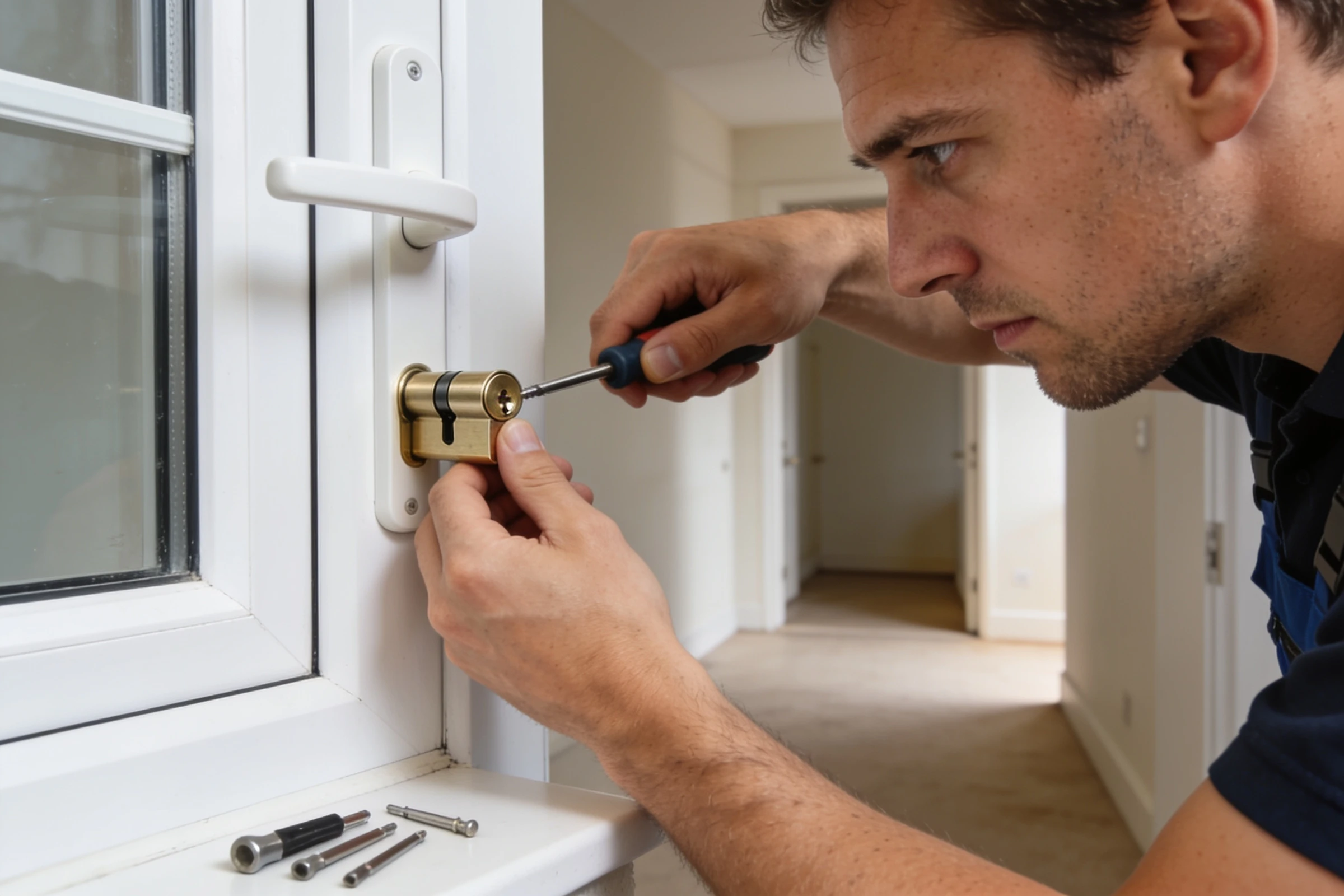
Rekeying is usually the right choice for a standard changeover. As covered in our guide on rekeying vs replacing a lock, rekeying changes which key operates the existing lock without replacing the hardware itself, which is considerably more cost-effective for a routine tenancy changeover where the lock is in good working condition.
Full replacement makes sense if the lock is worn, outdated, or below current security standards. If a property’s locks predate current British Standard certification, or have simply aged poorly, a changeover is a natural moment to upgrade rather than just rekey.
Timing the Work Properly
Schedule the lock change for the gap between tenants, not weeks after the new tenancy has already begun. Ideally this happens during the changeover period itself, before the new tenant moves in, so there’s no window where the property sits with locks that haven’t been addressed since the previous tenancy.
Coordinate with any other changeover work happening at the same time. If cleaning, minor repairs or an inventory check are also scheduled for the same window, having the locksmith work fit into that same period avoids unnecessary separate access visits to the property.
Build this into a standard changeover checklist rather than deciding case by case. A landlord managing this as a default step for every tenancy, rather than a judgment call made inconsistently, ensures nothing gets missed during a busy changeover period.
Beyond the Front Door
All external doors, not just the main entrance, warrant the same consideration. Back doors and any other external access points should be included in the changeover process, since focusing purely on the front door while leaving other entry points unaddressed defeats much of the purpose.
Window locks and any keyed window mechanisms. For properties with keyed window locks, particularly ground floor windows, it’s worth considering whether these also warrant attention during a changeover, alongside the door locks themselves.
Any shared access, such as a communal entrance for a flat within a larger building. This is a more complex consideration, often involving coordination with a managing agent or other landlords, but it’s worth factoring into an overall property security review even where it can’t be addressed as simply as an individual unit’s own locks.
A useful way to think about the distinction is that rekeying addresses who has access, while replacement addresses both access and the underlying quality of the security itself. If your only concern is who might hold a key, rekeying is usually sufficient. If the lock’s condition or standard is also in question, replacement is the more complete answer.

We work with landlords and letting agents across London on tenancy changeovers, handling rekeying or full replacement efficiently between tenants. Get in touch to schedule your next changeover as a straightforward, standard part of your process.
Frequently asked questions
Yes, generally, since it's genuinely common for more key copies to exist by the end of a tenancy than a landlord can track, and a new tenant reasonably expects exclusive access to their home.
Rekeying is usually sufficient and more cost-effective for a standard changeover where the lock is in good working condition. Full replacement makes more sense if the lock is worn or below current security standards.
Ideally during the changeover period itself, before the new tenant moves in, so there's no gap where the property sits with locks unaddressed since the previous tenancy.
Yes. Demonstrating that locks were changed at the start of each tenancy is a straightforward, defensible practice that supports overall landlord due diligence in the event of any incident.
Yes. All external doors and, where relevant, keyed window locks should be included, since focusing only on the front door leaves other entry points unaddressed.
Keep reading

Copyright © 2026 123Unlock, Design & Develop by Brand Builders.