Home Security Checklist: What a Locksmith Actually Checks
Locked out of your house? Here's exactly what to try before calling a locksmith, and when calling one is genuinely the right move.
In this guide
- A proper home security checklist goes well beyond simply checking whether the front door locks.
- Most homes have at least one overlooked vulnerability that's straightforward and affordable to fix once identified.
- Locks are only part of the picture, and a genuine assessment looks at the whole property.
- A short, methodical walk around your own home covers most of what a professional check would identify.
Most homeowners assume their property is reasonably secure simply because the front door locks properly. A genuine home security checklist looks considerably further than that single point, and a proper assessment often uncovers at least one vulnerability the homeowner had never considered.
The Front Door: More Than Just the Lock
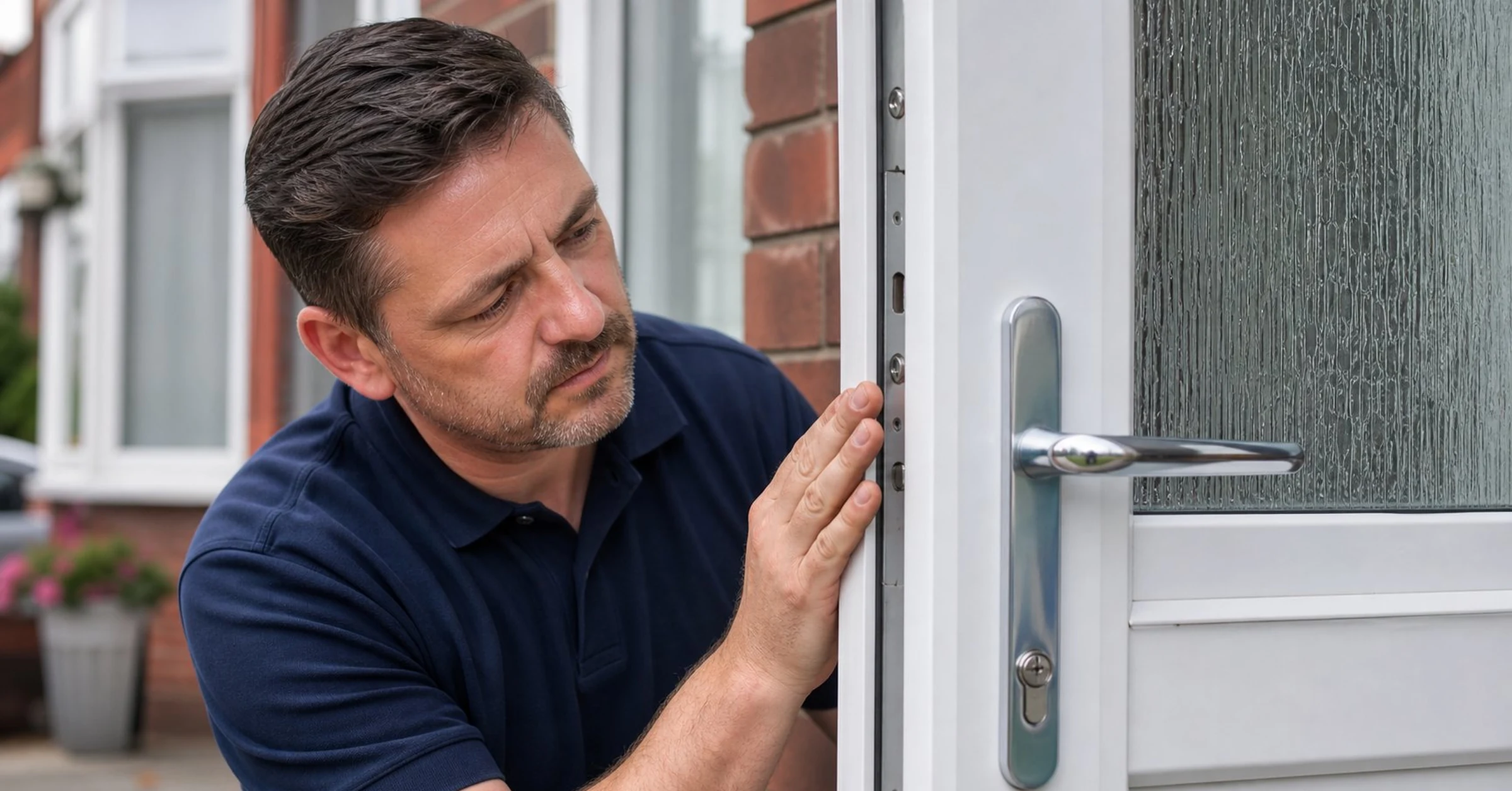
Whether the locks meet current British Standard requirements. Locks certified to British Standard BS3621 offer meaningfully better resistance to common attack methods than older or lower-grade locks, and it’s worth knowing whether your existing locks actually meet this standard.
The condition and alignment of the door itself. A lock can be high quality but ineffective if the door has dropped in its frame or the surrounding wood or uPVC has deteriorated, weakening the overall security of the entry point.
Letterbox security. An oversized or poorly positioned letterbox can occasionally be exploited to reach internal door handles or locks, and a letterbox guard or restrictor addresses this specific, often overlooked vulnerability.
If an upgrade is needed, our lock services guide covers the different BS3621 and multi-point options available.
Windows: The Second Most Common Entry Point
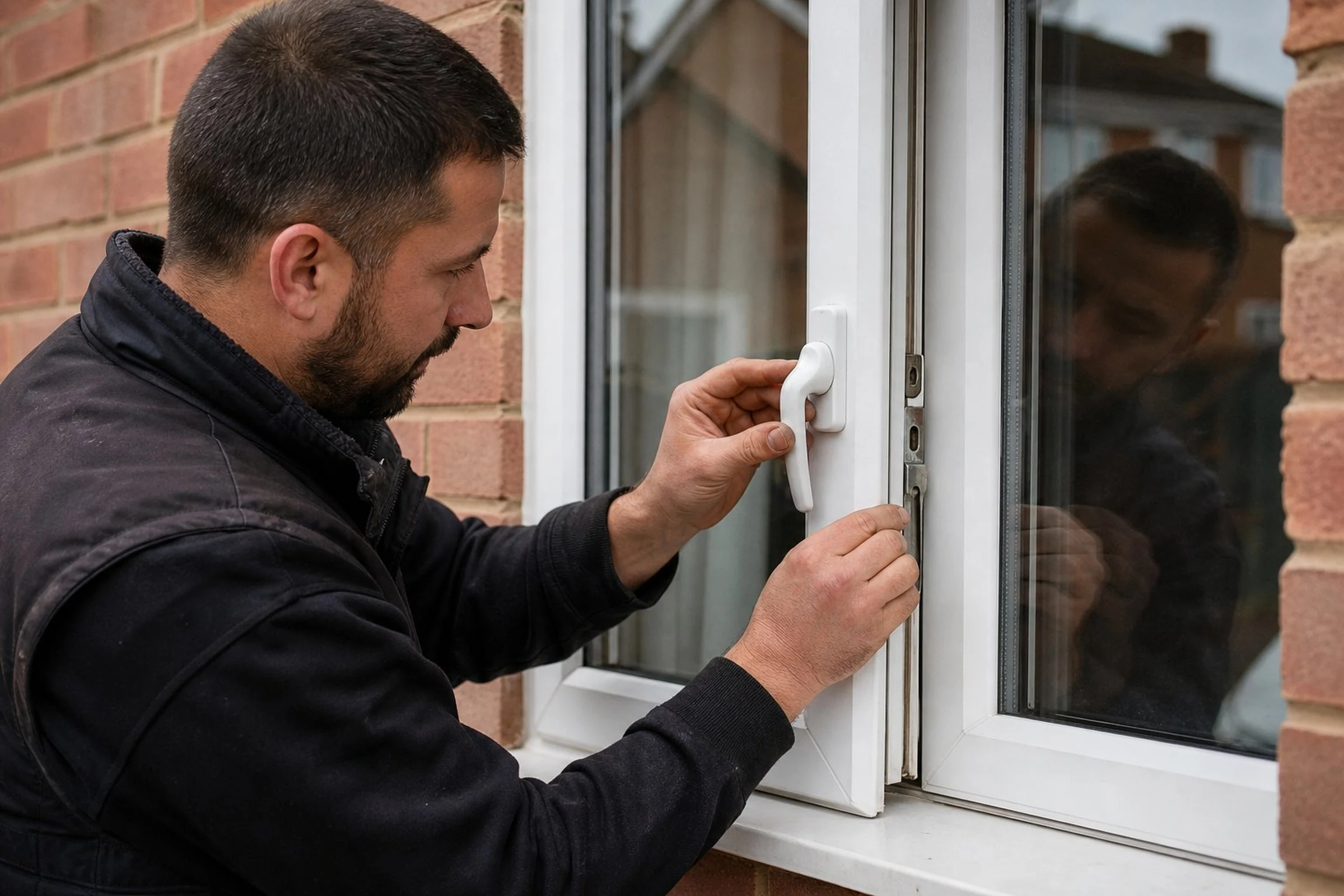
Whether every window, not just the obvious ground floor ones, actually locks properly. Easily accessible upper floor windows, such as those above a flat roof or extension, deserve the same attention as ground floor windows.
The condition of window locking mechanisms. As covered in our guide on window lock repair, a window that closes but doesn’t fully engage its lock offers a false sense of security that’s arguably more dangerous than an obviously broken lock.
Whether key-locking window handles are fitted where relevant. Standard handles can sometimes be manipulated from outside on certain window types, and key-locking versions offer meaningfully better resistance.
Back and Side Access Points
Back doors, particularly patio and sliding doors, often receive less security attention than the front. These are frequently a weaker point precisely because homeowners focus disproportionately on the front door, and an intruder aware of this pattern often targets the rear of a property specifically.
Side gates and fencing. While not a locksmith’s direct area of expertise, a secure side gate genuinely affects how accessible the rear of a property is, and it’s worth mentioning as part of a genuinely thorough overall security review.
Garage and outbuilding security, particularly if the garage has an internal connecting door to the house, since a poorly secured garage can become an indirect route into the main property.
A surprising number of break-ins involve a rear or side entry point rather than the front door, precisely because that’s where homeowners have historically paid the least attention. A thorough security check treats the whole perimeter of a property with equal seriousness, not just the entrance a household uses daily.
Additional Considerations Worth Checking
Whether visible security measures act as a genuine deterrent. Visible, well-maintained locks and hardware can discourage opportunistic attempts before they’re even made, separate from how effective those locks would be against a determined attempt.
Key management and spare key storage. A spare key hidden in an obvious location, such as under a mat or in a plant pot, undermines even the best lock hardware, and it’s worth reviewing where spares are actually kept.
Whether recent tenants, previous owners, or tradespeople may still hold keys. This is easy to overlook but genuinely relevant, particularly for a recently purchased or rented property, and our guide on rekeying vs replacing a lock covers the options for addressing this specific concern.
Whether a smart lock would suit the property better than a traditional one. Keyless entry and remote access can be useful for households with frequent visitors or renters, though it is worth weighing the trade-offs first – see our comparison of smart locks vs traditional locks.
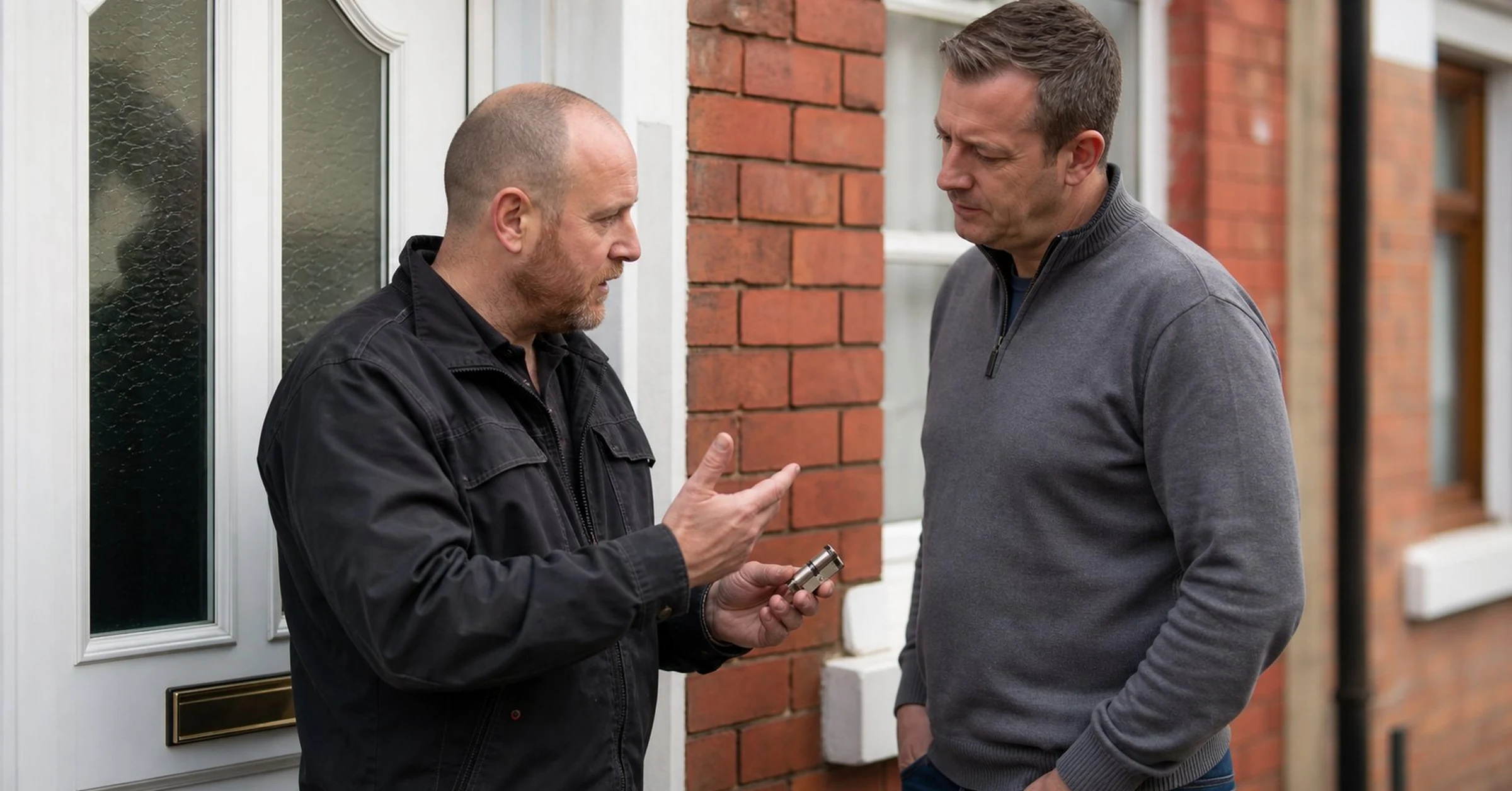
A proper home security assessment covers all of this and more, tailored to your specific property. Book a security check and we’ll walk through your whole property, not just the front door.
Frequently asked questions
Front and back door locks and their condition, whether locks meet British Standard requirements, window locking mechanisms, letterbox security, and often broader considerations like key management and spare key storage.
Often yes, simply because homeowners tend to focus more attention on the front door, which means patio doors, back doors and side access points can become comparatively weaker security points without anyone noticing.
It's a recognised certification standard for door locks, indicating meaningfully better resistance to common attack methods than uncertified or lower-grade locks, and it's worth checking whether your existing locks meet it.
Yes, particularly for a recently purchased or rented property. Previous owners, tenants or tradespeople who never returned keys represent a genuine security consideration worth addressing.
There's no fixed schedule, but it's worth reviewing after moving into a new property, after any attempted break-in, or simply every few years as locks and hardware age and standards evolve.
Keep reading

Copyright © 2026 123Unlock, Design & Develop by Brand Builders.