Smart Locks vs Traditional Locks: What’s More Secure?
Locked out of your house? Here's exactly what to try before calling a locksmith, and when calling one is genuinely the right move.

In this guide
- Smart locks vs traditional locks isn't a simple upgrade story, each has genuine strengths depending on what you value most.
- Smart locks add real convenience but introduce considerations traditional locks don't have.
- Security comes down to build quality and correct installation more than the smart versus traditional distinction alone.
- The right choice depends on your household's specific needs, not a universal best answer.
Smart locks have moved from a novelty into a genuinely mainstream option, but the question of whether they’re actually more secure than a well-chosen traditional lock doesn’t have a simple answer. Smart locks vs traditional locks comes down to a genuine trade-off between different strengths, not one option being straightforwardly better than the other.
What Smart Locks Actually Offer
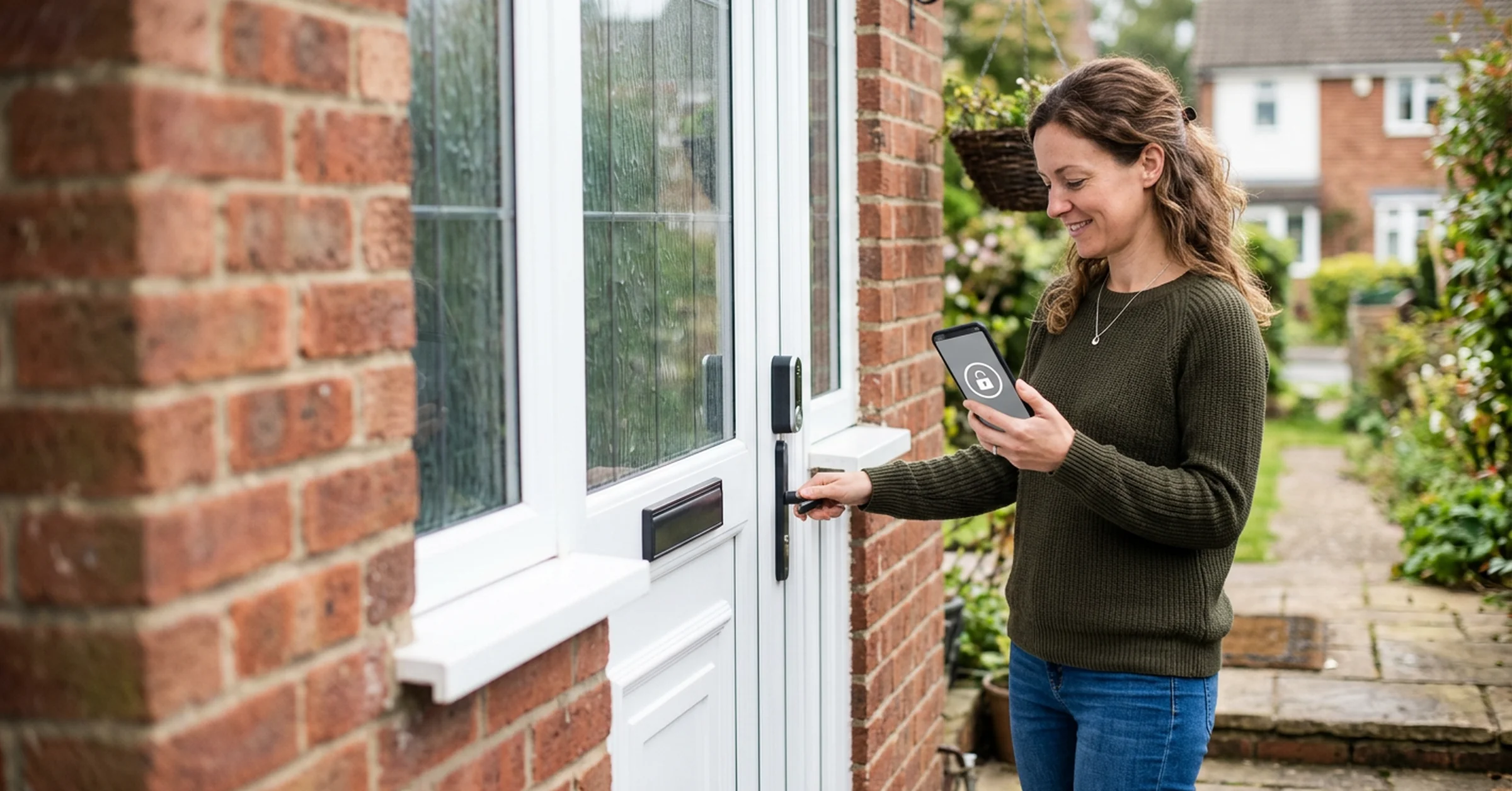
Keyless entry via code, app, fingerprint or fob, depending on the model. This removes the risk of being locked out without a physical key, and it allows temporary access to be granted remotely, which is genuinely useful for visitors, cleaners or tradespeople.
Activity logs showing exactly when the door was locked or unlocked. Some households find genuine value in this record, particularly for monitoring when family members arrive home or confirming a door was properly secured.
Integration with wider smart home systems. For households already invested in smart home technology, a smart lock often fits naturally into an existing ecosystem of connected devices.
What Traditional Locks Still Do Well
No reliance on power or connectivity. A traditional lock works exactly the same regardless of a flat battery, a lost internet connection, or an app update gone wrong, which is a genuine reliability advantage that shouldn’t be dismissed.
A long, well-established track record. Traditional lock technology, particularly British Standard certified cylinders, has decades of refinement behind it, with well-understood strengths and weaknesses.
Generally lower upfront cost. A quality traditional lock typically costs considerably less than a smart lock offering comparable physical security, which matters for budget-conscious households.
The Security Question Directly
Physical build quality matters more than the smart versus traditional distinction alone. A poorly made smart lock and a poorly made traditional lock can both be compromised. Conversely, a well-built smart lock with strong underlying mechanical components can be genuinely as secure as a comparable traditional lock.
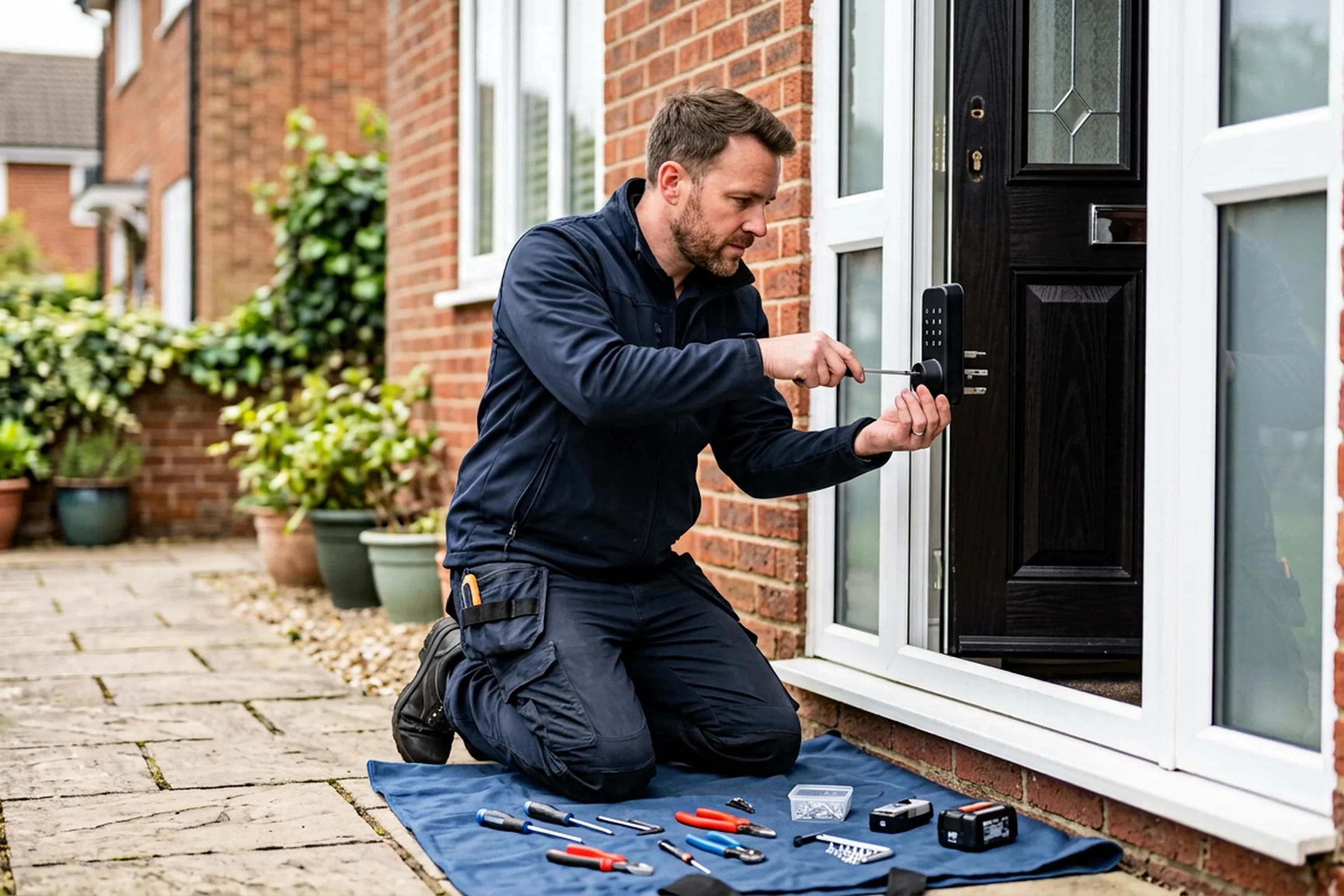
Correct installation matters enormously for both types. A high-quality lock of either kind, poorly fitted, undermines whatever security the hardware itself is capable of providing, which is why professional installation matters regardless of which type you choose.
Smart locks introduce a small number of genuinely new considerations. Battery life needs monitoring, since a dead battery can leave you locked out unexpectedly. Software vulnerabilities, while generally rare in reputable products, represent a category of risk traditional locks simply don’t have.
The most secure setup often combines a smart lock’s convenience with the mechanical robustness expected of any quality lock, rather than treating “smart” as inherently more or less secure than “traditional” in isolation. What matters is the specific product’s build quality and correct installation, not the category it falls into.
Practical Considerations Beyond Security
Household composition matters. Families with children, elderly relatives, or anyone who might struggle with app-based technology may find a traditional lock, or a simpler smart lock with a physical backup, more practical day to day.
Rental properties often have restrictions on hardware changes. If you’re renting, checking with a landlord before installing a smart lock is worth doing, since some tenancy agreements restrict this kind of alteration.
Ongoing maintenance differs between the two. Smart locks need occasional battery changes and, sometimes, firmware updates, while traditional locks need considerably less ongoing attention once properly installed.
Whether a smart lock or a traditional lock suits your household better depends on genuine priorities specific to you. Get in touch to discuss your options, and we’ll give you an honest recommendation rather than pushing whichever is more expensive.
Frequently asked questions
Not inherently. Physical build quality and correct installation matter more than the smart versus traditional distinction alone, and a well-made smart lock can be genuinely as secure as a comparable traditional lock.
Most quality smart locks include a physical key backup or an alternative power option for exactly this situation, though it's worth confirming this feature before choosing a specific model.
Many smart locks can still be operated locally, via keypad or physical key, even without connectivity, though remote features like app-based unlocking typically require an internet connection to function.
It depends on your household's priorities. The convenience of keyless entry and remote access genuinely benefits some households, while others are better served by the simplicity and reliability of a traditional lock.
Most standard UK front doors can accommodate a smart lock, though compatibility varies by door type and existing hardware, which is worth checking before purchasing a specific model.
Keep reading

Copyright © 2026 123Unlock, Design & Develop by Brand Builders.