What to Do After a Break-In: Immediate Lock Security Steps
Locked out of your house? Here's exactly what to try before calling a locksmith, and when calling one is genuinely the right move.
In this guide
- What to do after a break-in involves a specific, calm sequence of steps, even though the situation itself is genuinely distressing.
- Securing the property again comes before most other considerations, once safety and the police report are handled.
- Damaged locks or entry points need addressing immediately, not left until convenient.
- A few decisions made in the following days affect how secure your home is going forward, not just immediately.
Coming home to a break-in is genuinely one of the more distressing experiences a homeowner can face, and it’s easy to feel overwhelmed about what to prioritise first. What to do after a break-in, specifically regarding securing your home again, follows a clear sequence that helps bring some order to a difficult situation.
Immediate Safety First
Confirm nobody is still on the property before entering. If there’s any possibility the intruder is still inside, wait outside and call the police rather than entering to check yourself.
Call the police and report the break-in. This is essential both for the immediate response and for any subsequent insurance claim, which will typically require a crime reference number.
Avoid touching anything unnecessarily until police have had a chance to assess the scene, particularly around entry points, since this preserves any evidence that might help with investigation.
Securing the Property Again
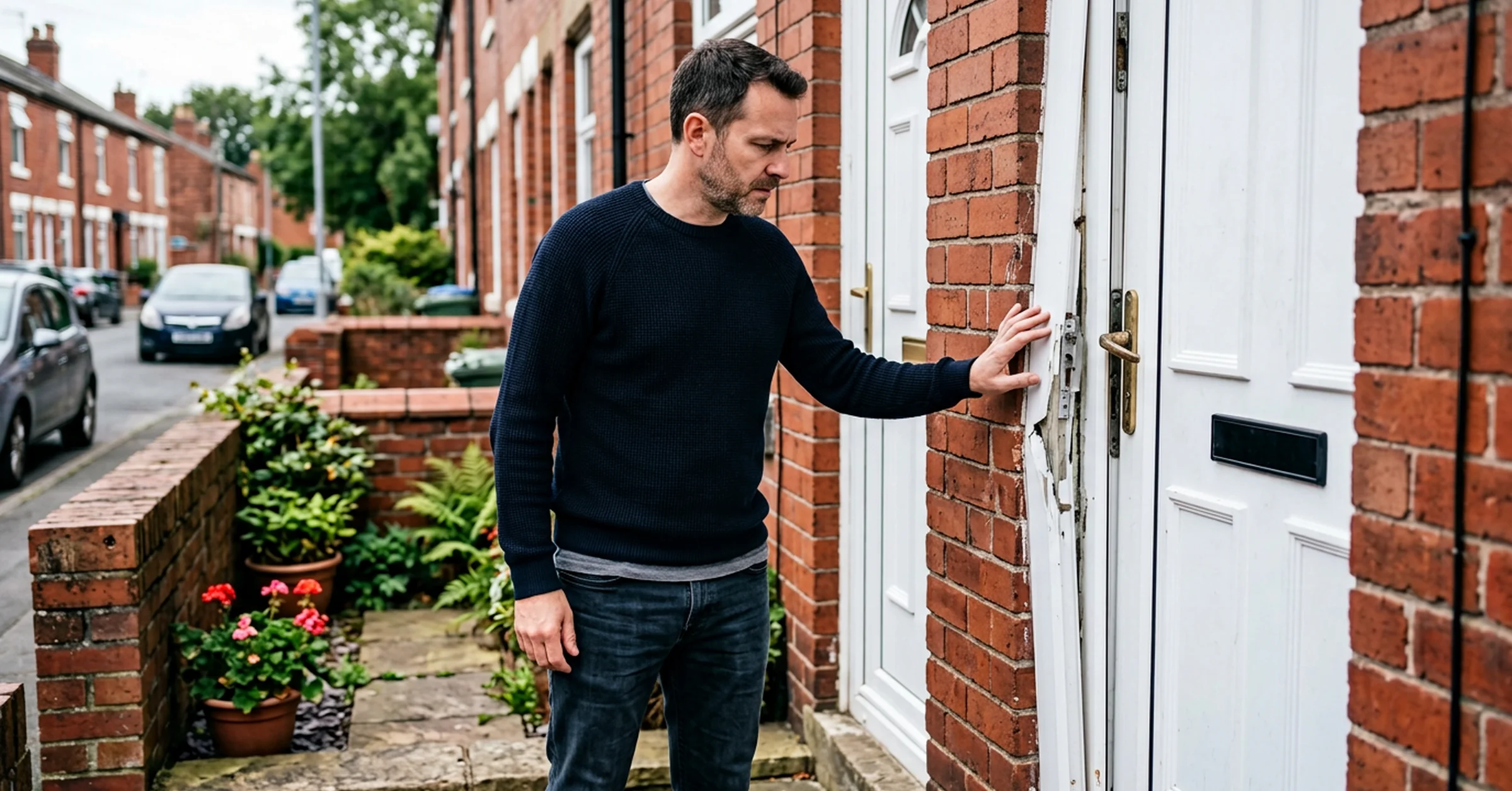
Any damaged lock or entry point needs addressing as soon as police have finished their initial assessment. Leaving a property with a compromised lock or a forced door overnight is a genuine ongoing risk, not just an inconvenience.
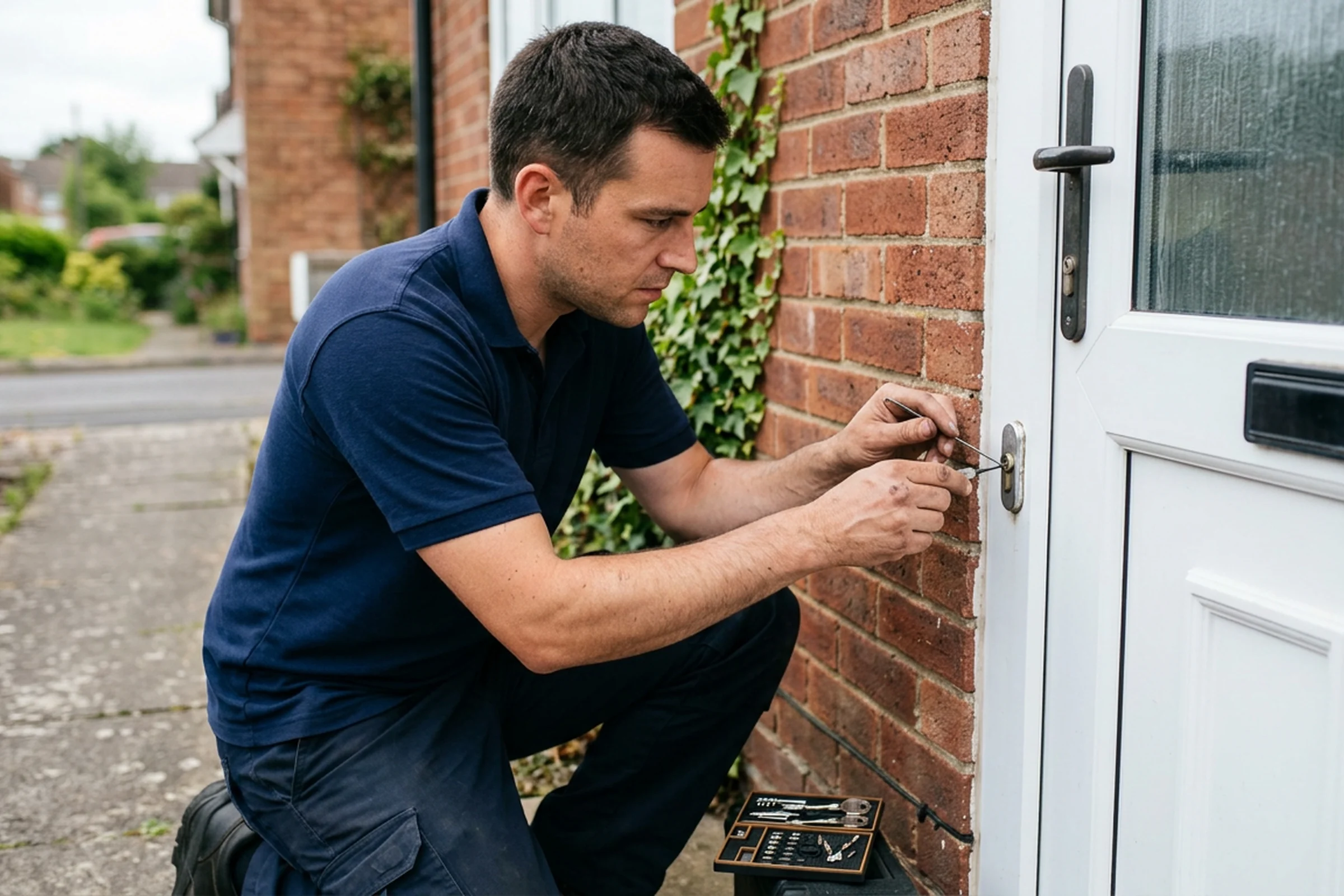
A locksmith can typically assess and repair or replace damaged locks quickly, often same day for emergency call-outs. This is precisely the situation emergency locksmith services exist for, and it shouldn’t be delayed while other matters are sorted out.
Temporary boarding or securing of a badly damaged door or window may be needed if full repair can’t happen immediately. This provides interim security while parts or a full replacement are arranged.
Deciding Whether to Repair or Replace
Assess whether the existing lock can be properly repaired or whether replacement is the better option. A locksmith can advise honestly on this, since sometimes repair genuinely is sufficient, while other times the damage or the lock’s age makes replacement the more sensible long-term choice.
Consider upgrading to a higher security standard while addressing the immediate repair. If the previous lock wasn’t British Standard certified, this is a natural moment to upgrade, since you’re already addressing the entry point regardless.
Think about whether other entry points on the property should be reviewed at the same time. A break-in through one point sometimes reveals that other locks or windows have similar vulnerabilities worth addressing while a locksmith is already on site.
A break-in through a specific entry point often reveals that the intruder identified a genuine weakness, not necessarily random bad luck. Using the immediate repair as an opportunity to properly assess and upgrade that specific point, rather than simply restoring it to its previous state, is a sensible response.
In the Days Following
Consider whether locks throughout the property, not just the damaged one, should be reviewed. Our guide on home security checklist covers a fuller assessment worth considering once the immediate crisis has passed.
Keep all documentation related to repairs for insurance purposes. Invoices, photos of damage, and the crime reference number all support any claim being processed.
Address the emotional impact, not just the physical security. A break-in affects how safe a home feels, separate from whether it’s actually secure again, and this is a genuine, valid part of the recovery process worth acknowledging rather than rushing past.
If you’ve experienced a break-in, call our emergency line for fast, professional repair so your home is properly secured again as quickly as possible.
Frequently asked questions
Confirm nobody is still on the property before entering, call the police to report it, and avoid touching anything unnecessarily around entry points until police have assessed the scene.
As soon as possible after police have completed their initial assessment. Leaving a property with a damaged lock overnight represents an ongoing security risk that shouldn't be delayed.
It depends on the extent of damage and the lock's age and standard. A locksmith can advise honestly on whether repair is sufficient or whether replacement, potentially with an upgraded standard, is the better choice.
Typically yes. Most insurance claims related to burglary require a crime reference number from the police report, so this should be obtained as part of the initial reporting process.
It's worth considering, particularly if the damaged lock wasn't British Standard certified. Since you're already addressing the entry point, it's a natural moment to review and potentially upgrade the security standard.
Keep reading

Copyright © 2026 123Unlock, Design & Develop by Brand Builders.