Anti Snap Lock Guide: 5 Ways to Stop Lock Snapping
How lock snapping works and five ways to stop it: anti snap cylinders, the TS 007 Kitemark and a quick check of your own door.
In this guide
- What is lock snapping?
- How an anti snap lock works
- What TS 007 and the Kitemark mean
- How to check your own cylinder
- 5 ways to stop lock snapping
- When to call a locksmith
- Frequently asked questions
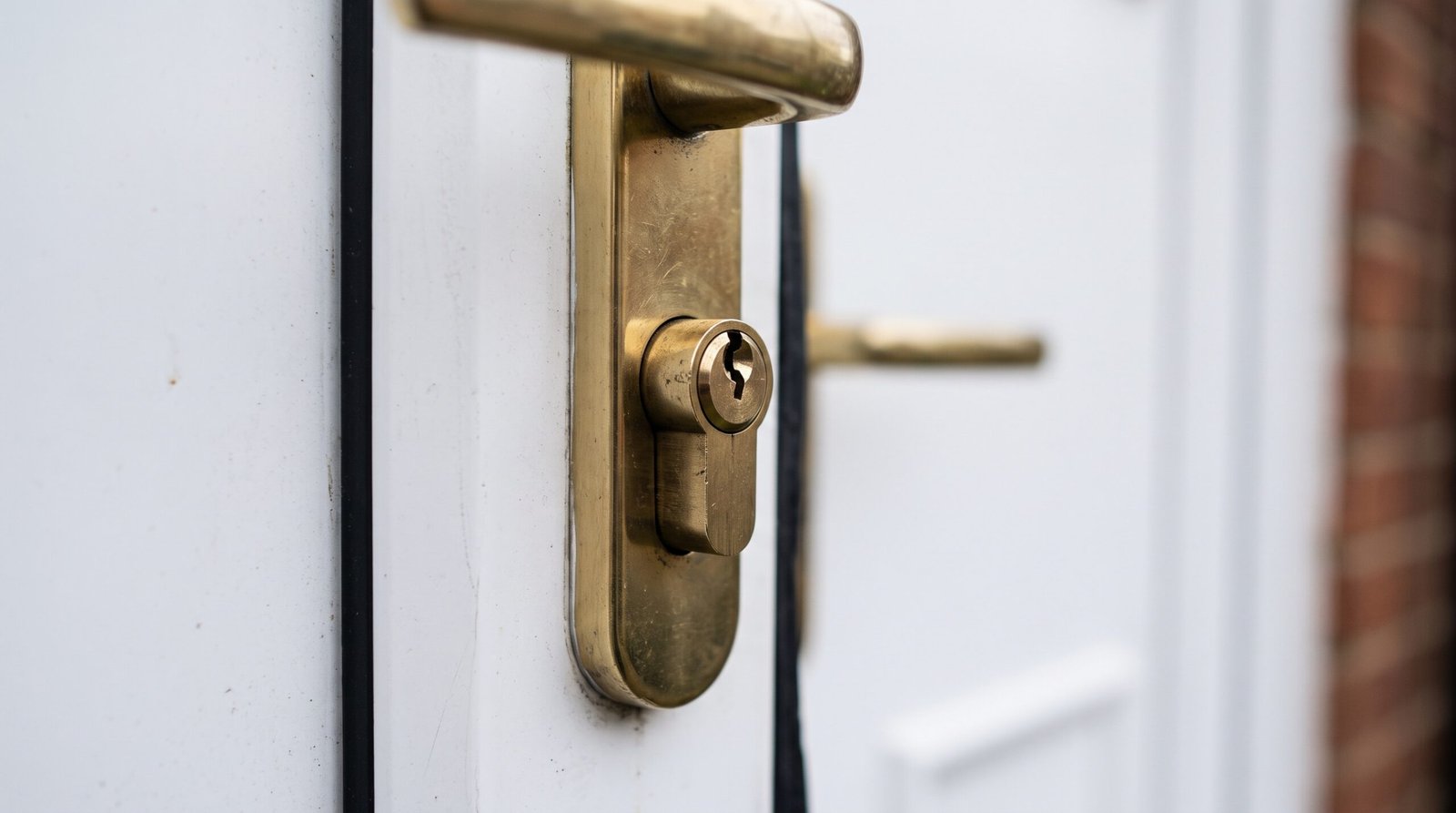
What is lock snapping?
Lock snapping is a break-in method aimed at the euro cylinder, the barrel that sits in the middle of most uPVC, composite and many timber doors. A burglar grips the part of the cylinder that sticks out past the door, applies force and snaps it. Once the cylinder breaks, the locking mechanism behind it can be moved with a simple tool and the door opens.
It is quick and quiet, and it does not need a key or any skill with picking. That is why a standard, unprotected cylinder is a real risk on a front door.
How an anti snap lock works
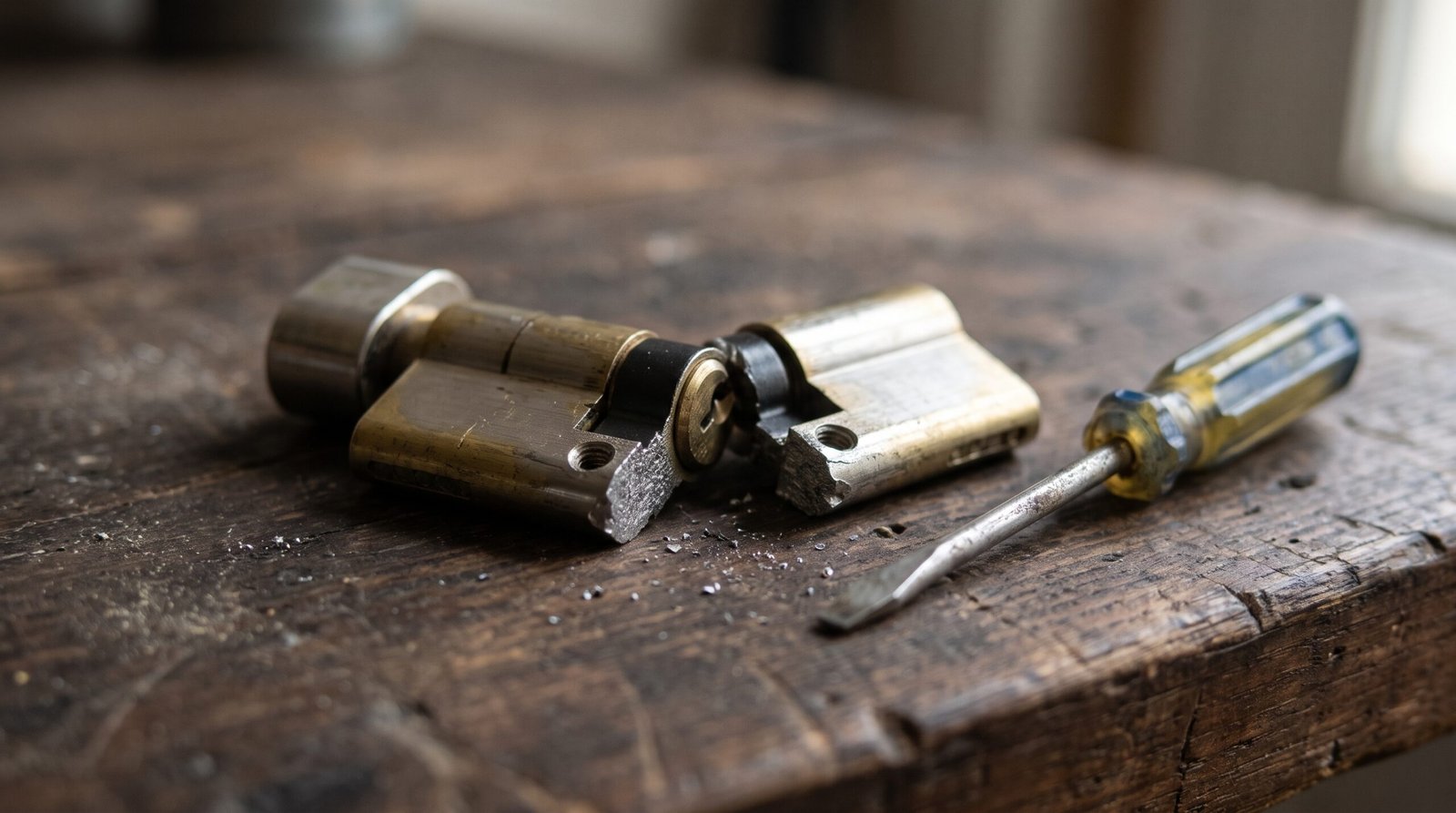
An anti snap lock still looks like a normal cylinder from the outside. The difference is inside the body. It has one or more planned break lines, often called sacrificial sections, placed on the outer part of the cylinder.
- If someone applies force, the outer section snaps at the break line.
- The inner section, which holds the locking cam, stays intact and in place.
- The door stays locked even though the outside of the cylinder has broken off.
Better cylinders add extra protection such as drill resistant pins, pick resistant pins and a hardened inner core. You will not see these from outside, which is why the standard markings matter.
What TS 007 and the Kitemark mean
When you shop for an anti snap lock, you will see the name TS 007. This is a British test standard for euro cylinders. Cylinders that pass it can carry the BSI Kitemark.
- 1 star: a single cylinder that passes the test. It is usually fitted with a handle that is also protected.
- 3 stars: either a cylinder that has passed a tougher level of testing, or a cylinder fitted with a security handle that has been tested as a set.
Another mark you may see is Sold Secure, a UK testing body for security products. Police-backed Secured by Design also lists products that meet its security requirements. A genuine anti snap lock should show a recognised mark and not just the words “anti snap” on the box.
How to check your own cylinder
You can do a quick check without any tools.
- Open your front door and look at the edge of the door where the cylinder sits.
- Look for stamped marks on the cylinder face. You may see a Kitemark, a star rating or the letters TS 007.
- Check how far the cylinder sticks out past the handle or escutcheon. A cylinder that sticks out by more than a few millimetres is easier to grip and snap.
- If you see no marks at all, assume the cylinder is not an anti snap lock.
If you are unsure, call us and describe what you see. Our guide to uPVC door locking mechanism problems also explains how the rest of the lock works.
5 ways to stop lock snapping
1. Fit a TS 007 anti snap lock
This is the single most useful change. A rated cylinder removes the weak point that lock snapping depends on. Many homes only need the cylinder swapped, not the whole door lock.
2. Fit a matching security handle
A strong handle plate with a protected cylinder works as a set. It stops a burglar from getting a grip on the cylinder or working at it from the front.
3. Get the right cylinder length
A cylinder that is too long is the easiest to attack. The right length sits level with, or only just proud of, the handle plate. A locksmith will measure both sides of the door and choose the right size. If you want to check it yourself, read how to measure a euro cylinder lock.
4. Check the rest of the door
The cylinder is one part of a door. Hinges, multipoint locking and the frame all matter too. See our home security checklist for the other places a burglar looks.
5. Add a British Standard lock where it suits the door
Timber doors often use a five lever mortice lock to BS 3621, which many insurers ask for. Read about our British Standard locks if your door is wooden.
When to call a locksmith
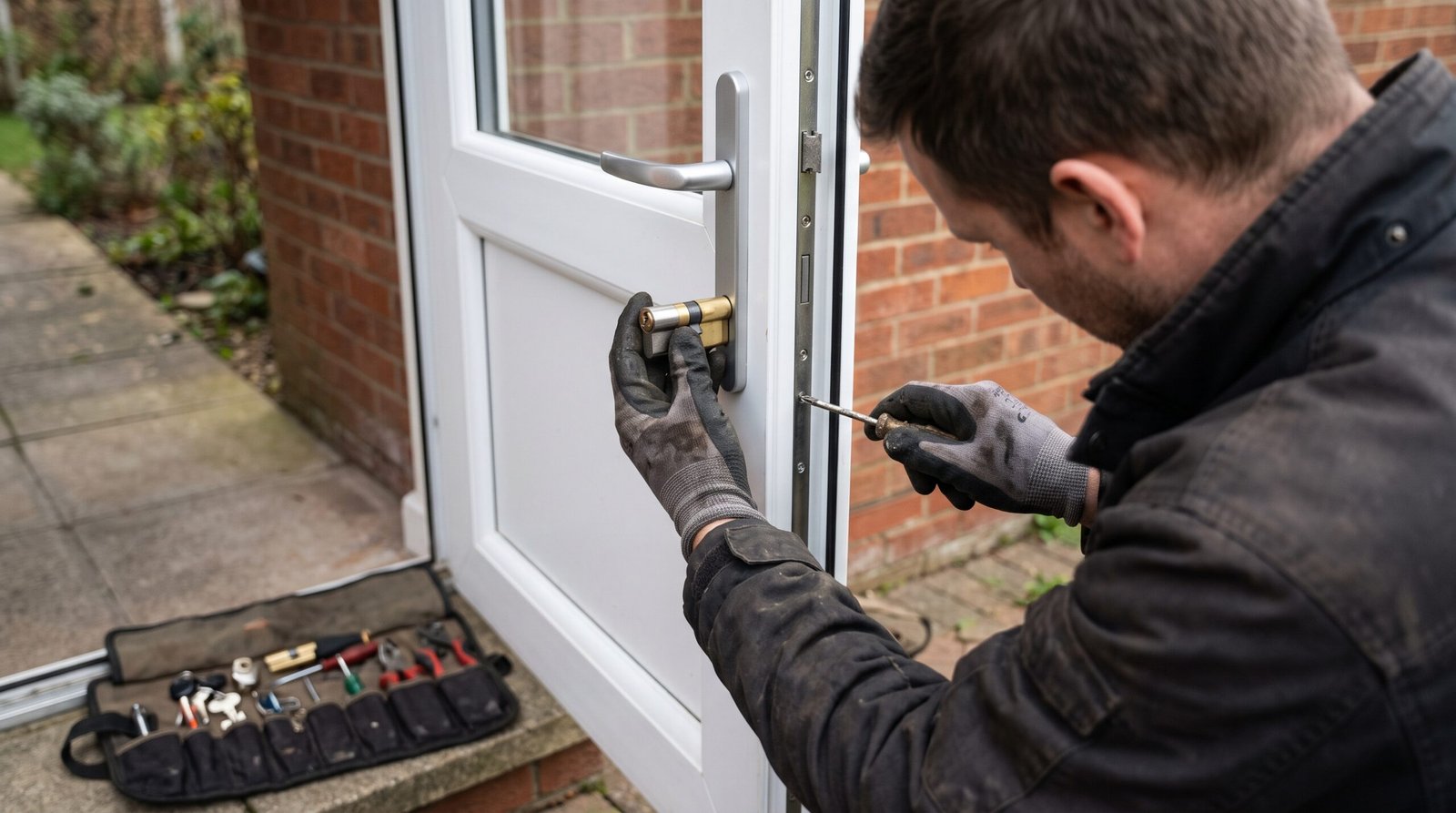
You do not need to wait for a break-in. Call a locksmith if:
- your cylinder has no standard mark on it,
- the key turns stiffly, the lock feels loose or the cylinder wobbles,
- you have moved into a new home and do not know who has keys,
- a previous break-in damaged the door or the lock, or
- your insurer has asked for upgraded locks.
If you are in Ilford or nearby, see our locksmith service in Ilford. We are open 24 hours, including Sundays, so you can call at any time.
Frequently asked questions
No lock is burglar proof. An anti snap lock closes off the snapping method, which is one of the most common ways into a uPVC door. It works best as part of a secure door, not on its own.
Some people can. You need to measure the cylinder lengths correctly and fix it properly, or it may not work as designed. If you want it done once and done right, a locksmith can fit it for you.
No. A new cylinder comes with new keys. You can ask for keyed alike cylinders if you want one key for several doors.
Usually not. In most cases only the euro cylinder is replaced. Read our guide on rekeying versus replacing a lock to see which option suits you.
Look for the TS 007 mark or a Kitemark, a star rating or a Sold Secure mark on the cylinder. If it has none, treat it as a standard cylinder.
Keep reading

Copyright © 2026 123Unlock, Design & Develop by Brand Builders.