How to Change a Door Lock: A Simple 7 Step UK Guide
A simple 7 step guide to changing a door lock in the UK: what you need, how to fit a new cylinder, and when to call a locksmith.
In this guide
- When you should change a door lock
- What you need before you start
- How to change a door lock in 7 steps
- Choosing a safer replacement
- When not to do it yourself
- Frequently asked questions
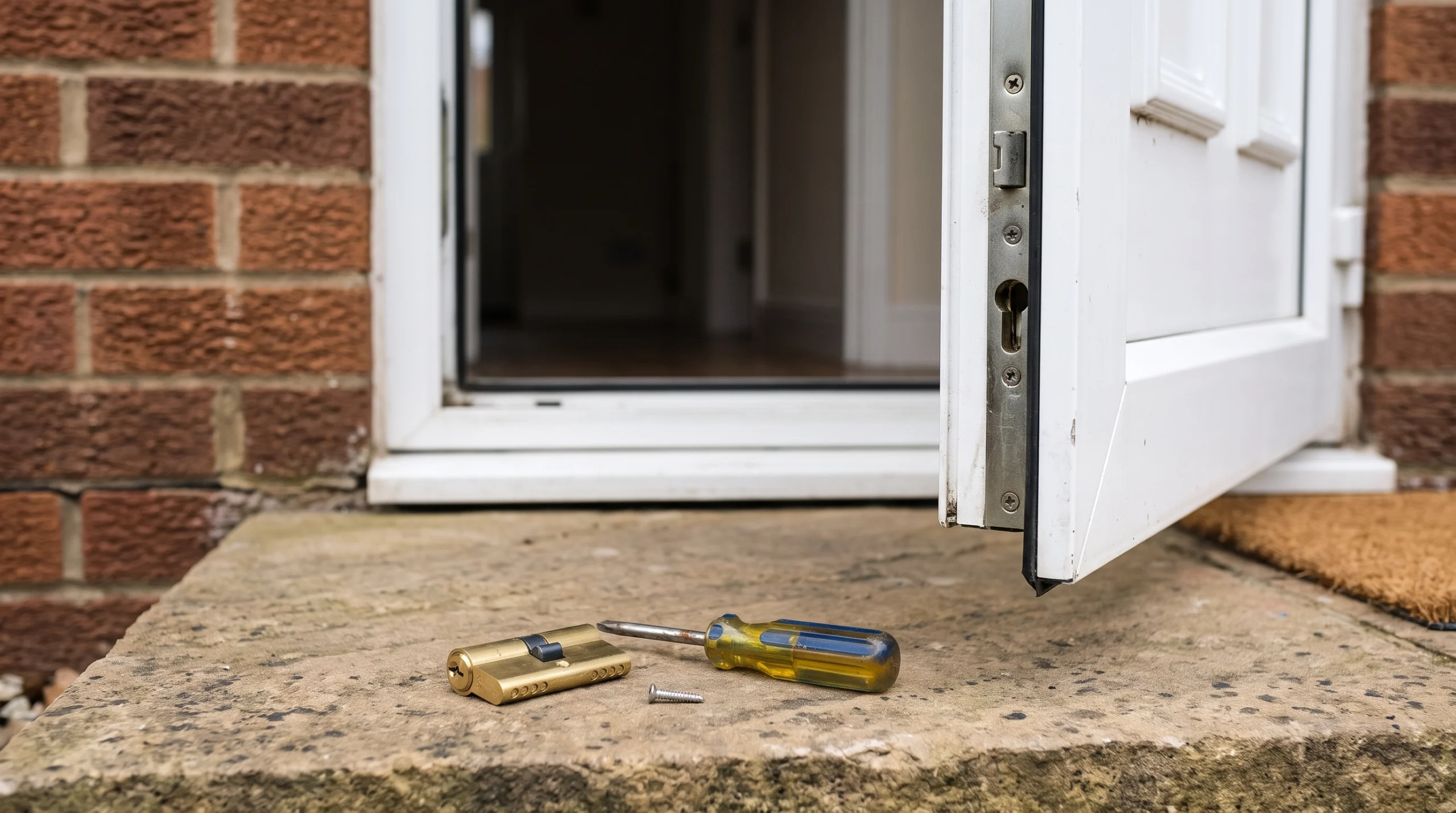
When you should change a door lock
You do not need to wait for a break-in. These are the usual reasons people change a lock:
- You have moved into a new home and cannot be sure who holds a spare key.
- A key has been lost or stolen.
- The key is hard to turn, sticks or the lock feels loose.
- The cylinder is damaged or a key has broken inside it.
- You want a safer lock than the one that was fitted.
- A landlord or tenant change means keys have been passed around. See our guide on landlords changing locks between tenants.
If the key has snapped inside the lock, read what to do about a broken key in a door lock first. Do not push the pieces in further.
What you need before you start
- A cross head or flat head screwdriver.
- A tape measure or ruler.
- A new euro cylinder in the right size. Buy a rated anti snap model if you can.
- Your current key, which you will use to move the lock into the right position.
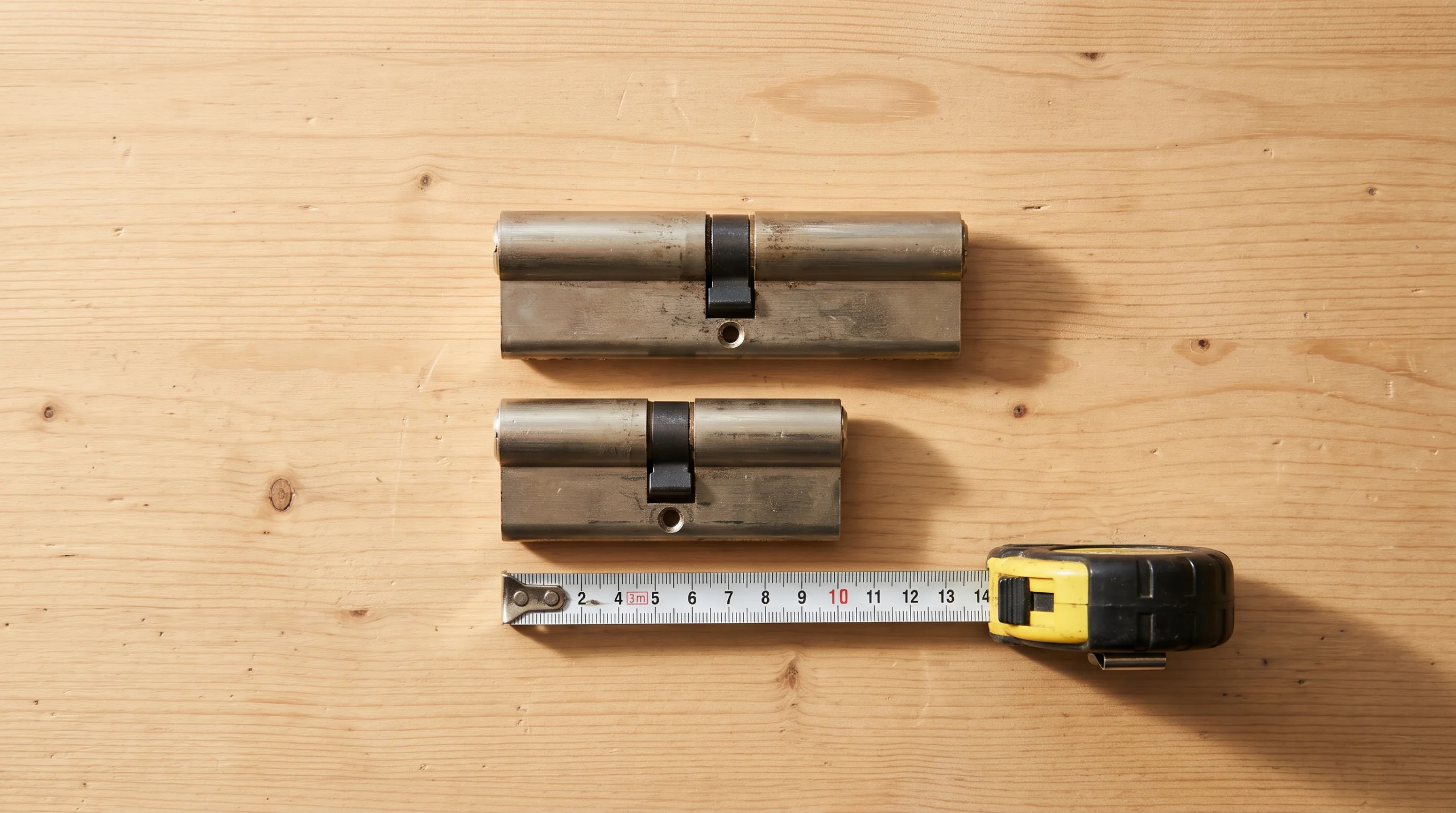
The cylinder size matters. Wrong length means the lock either will not work or leaves part of the cylinder sticking out, which is easier to attack. Measure from the centre fixing screw to each end and note both numbers, for example 40 and 45 millimetres. Our guide on how to measure a euro cylinder lock shows the steps with a diagram.
What TS 007 and the Kitemark mean
When you shop for an anti snap lock, you will see the name TS 007. This is a British test standard for euro cylinders. Cylinders that pass it can carry the BSI Kitemark.
- 1 star: a single cylinder that passes the test. It is usually fitted with a handle that is also protected.
- 3 stars: either a cylinder that has passed a tougher level of testing, or a cylinder fitted with a security handle that has been tested as a set.
Another mark you may see is Sold Secure, a UK testing body for security products. Police-backed Secured by Design also lists products that meet its security requirements. A genuine anti snap lock should show a recognised mark and not just the words “anti snap” on the box.
How to change a door lock in 7 steps
Step 1: Open the door and find the fixing screw
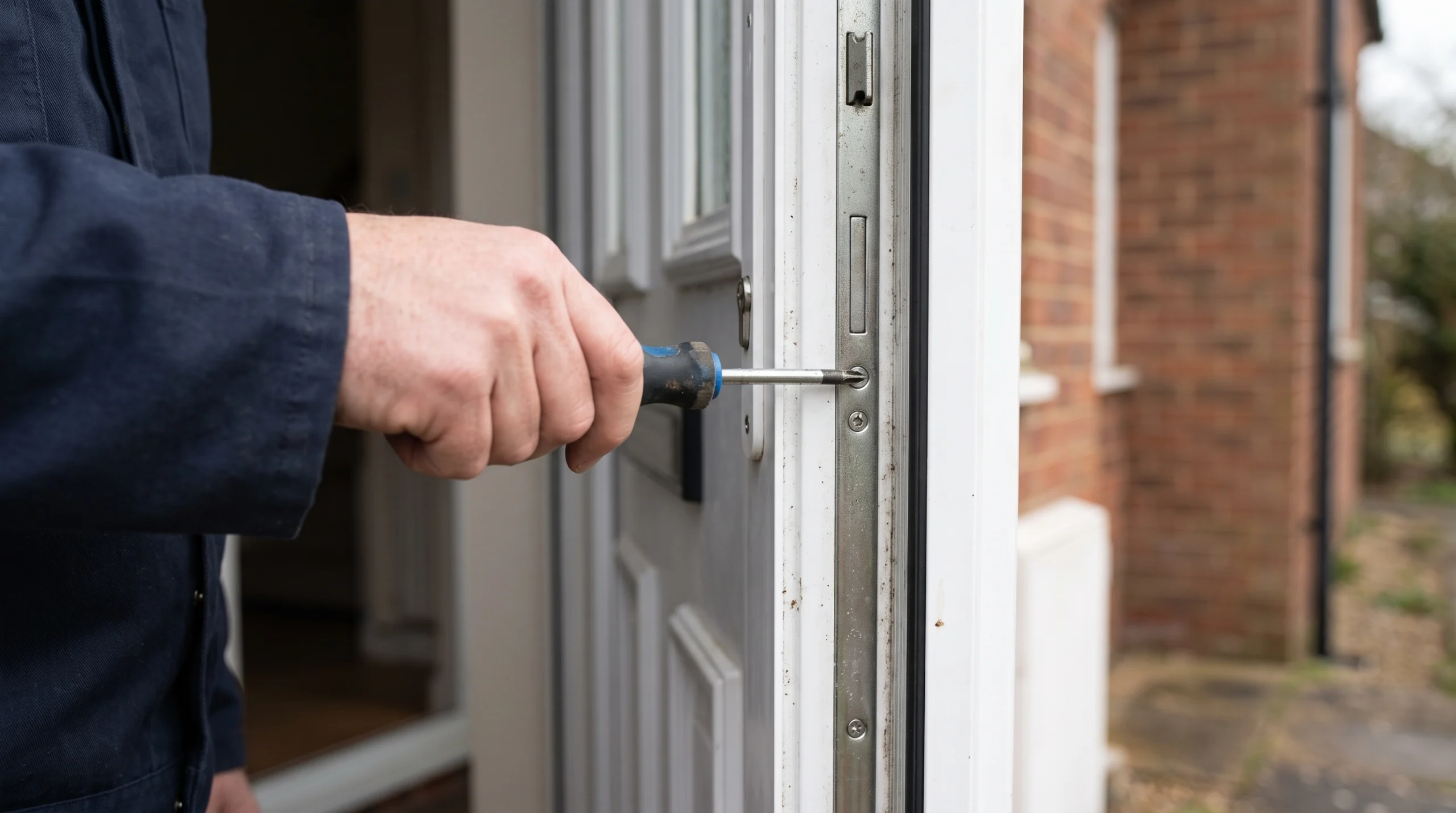
Open the door fully. Along the door edge, find the faceplate. A single screw sits in the middle of the faceplate, roughly in line with the cylinder. This screw holds the cylinder in place.
Step 2: Release the screw
Undo the screw until it is free of the cylinder. You do not usually need to take it fully out. Put the screw somewhere safe because you will need it again.
Step 3: Turn the key to the right position
Put the key in and turn it a little, about 45 degrees, until the cam at the centre of the cylinder lines up with the opening in the lock case. The cylinder should then slide out. If it stays stuck, wiggle the key slightly and try again.
Step 4: Take the old cylinder out
Pull the cylinder out of the door, using the key as a handle. Check its length so you know the size of your new one. Do not force it. A stuck cylinder can mean the lock case is damaged, which is a job for a locksmith.
Step 5: Check the new cylinder against the old one
Place the two cylinders side by side. The length of each side should match, or be a few millimetres shorter on the outside. A new cylinder that is longer than the old one on the outside is a poor fit.
Step 6: Fit the new cylinder
Insert the new cylinder with its key turned to the same position as before. Push it in until the screw hole in the cylinder lines up with the hole in the faceplate. Replace the screw and tighten it firmly, but not so tightly that the key sticks.
Step 7: Test before you close the door
With the door still open, turn the key from both sides several times. Lock and unlock it. Then test with the door closed and the handle lifted, as you would use it every day. Keep a key on you while you test so you cannot lock yourself out.
Step 7: Test before you close the door With the door still open, turn the key from both sides several times. Lock and unlock it. Then test with the door closed and the handle lifted, as you would use it every day. Keep a key on you while you test so you cannot lock yourself out.
Choosing a safer replacement
When you learn how to change a door lock, you also get the chance to improve it. Here is what to look for:
- Anti snap protection. Look for the TS 007 mark. Our anti snap lock guide explains what it means.
- The right length. A cylinder that sits flush with the handle plate is harder to grip.
- Keys you can trust. Ask for a restricted or branded key if you want to stop copies being cut easily.
- Insurance rules. Check your policy. Many insurers want a five lever BS 3621 lock on wooden doors.
The Master Locksmiths Association publishes guidance on choosing locks and finding an approved locksmith.
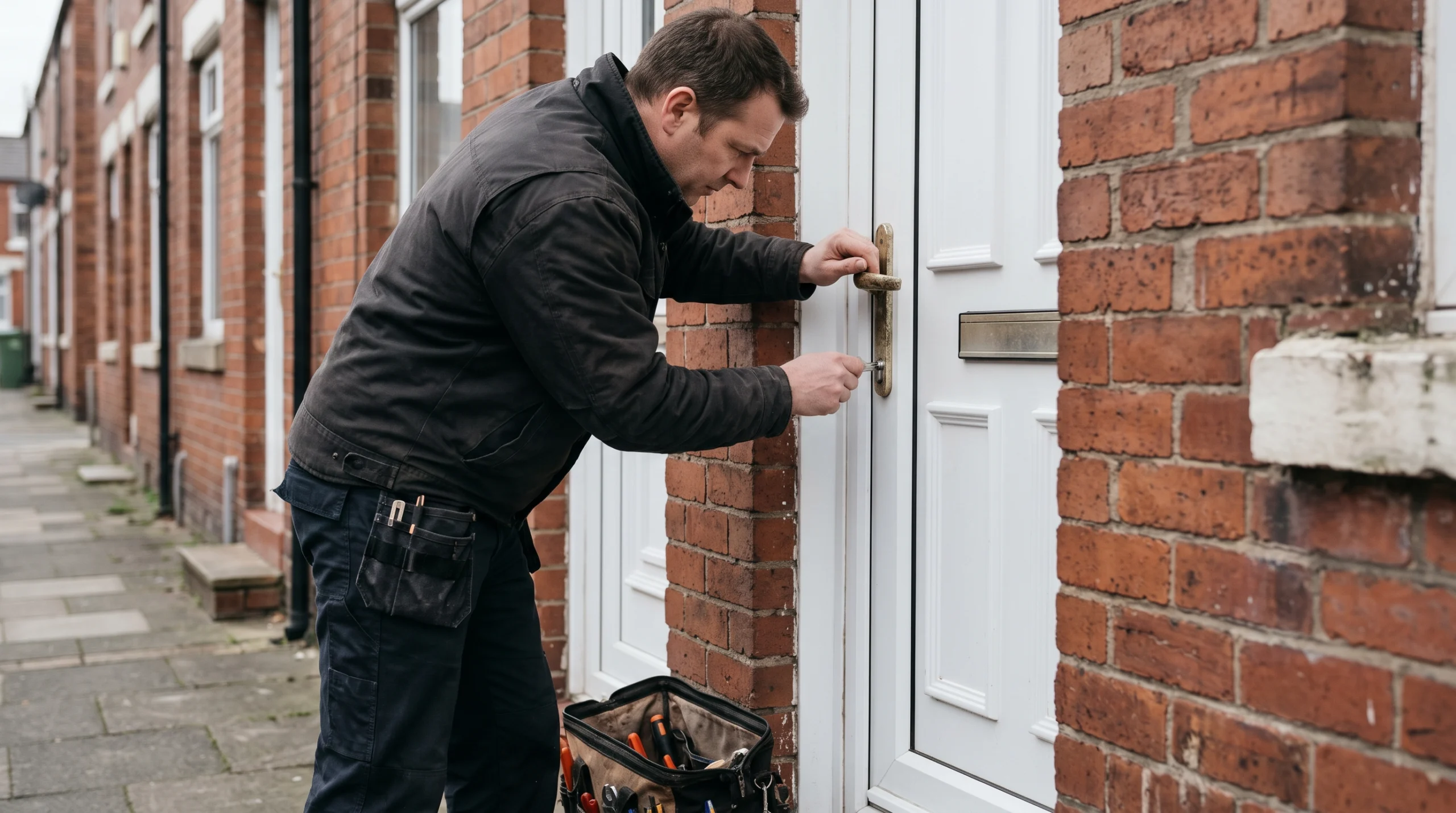
When not to do it yourself
Call a locksmith if:
- the cylinder will not come out or the screw is seized,
- the handle, multipoint lock or gearbox is the part that is failing, not the cylinder,
- your door is wooden with a mortice lock,
- you are locked out and cannot get in to start the job, or
- you want the lock fitted and tested properly the first time.
If you are locked out right now, read what to do when you are locked out of your house, or call us. Our door lock replacement page lists what we cover. We are open 24 hours, including Sundays.
Frequently asked questions
Yes, if it is a euro cylinder on a uPVC or composite door and you can measure it correctly. Wooden doors with mortice locks are better left to a locksmith.
A simple euro cylinder swap is usually a short job. It takes longer if the old cylinder is seized or the door is misaligned.
Often just the cylinder. If the gearbox or handle is damaged, the whole lock may need replacing. Our guide on rekeying versus replacing a lock explains the difference.
Measure the old cylinder from the centre screw to each end, or take the old one with you when you buy a new one. Both sides are often different lengths.
Yes. You cannot know who still has a key. It is one of the quickest ways to make a new home secure.
Keep reading

Copyright © 2026 123Unlock, Design & Develop by Brand Builders.